Every week, Rinchem shares important articles and topics about chemical and gas logistics, industries we operate in, and the general global supply chain. In this week's review we discuss semiconductor tariffs, rethinking inbound logistics, and December inventory numbers.
Keep reading to see this week's hot topics.
This week's stats
10%- percentage of chips the U.S. manufactures that it requires Reuters
17.4- points drop in inventory levels in December 2025 Florida Atlantic University

Trump imposes 25% tariff on imports of some AI chips
On January 14, 2026, U.S. President Donald Trump signed a proclamation imposing a 25% tariff on imports of certain advanced computing chips, including Nvidia’s H200 AI processor and AMD’s MI325X, citing national security concerns and the need to reduce reliance on foreign semiconductor supply chains. The tariff, resulting from a nine-month Section 232 investigation, is part of a broader effort to incentivize domestic chip production and decrease dependence on overseas manufacturers like those in Taiwan, but it exempts chips imported for U.S. data centers, startups, consumer and civil industrial uses, and public sector applications. Commerce Secretary Howard Lutnick has discretion to grant further exemptions, and the administration indicated it may impose wider semiconductor tariffs in the future.
From chaos to coordination: Rethinking inbound logistics
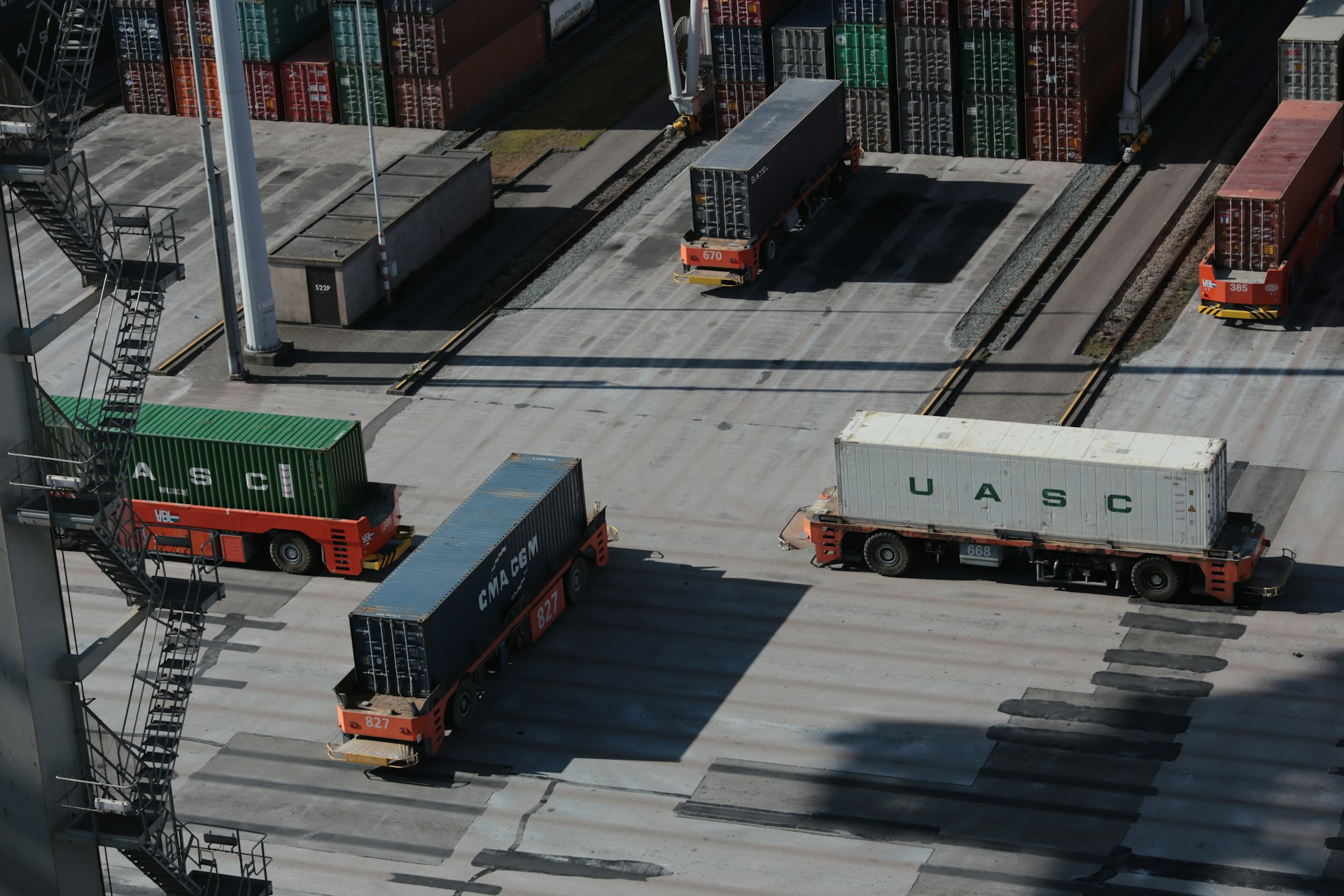
The article argues that traditional inbound logistics—where individual suppliers independently arrange freight—creates fragmented, inefficient freight movements that resemble “chaos” rather than an optimized supply chain. By adopting data-driven inbound coordination, companies can centralize visibility across suppliers and carriers, consolidate shipments, schedule deliveries more effectively, and replace reactive freight management with proactive planning that aligns inbound flows with internal operations and demand signals. This shift toward coordinated inbound logistics not only reduces operational friction and costs but also strengthens resilience and enables strategic collaboration between procurement, transportation, and warehouse teams.

December Logistics Score Hits Record Low During Holiday Season
According to researchers from Florida Atlantic University and partner institutions, the Logistics Managers’ Index (LMI) for December 2025 dropped to 54.2, marking the lowest score since April 2024 and reflecting significant strain in the U.S. logistics sector during the holiday season. This decrease was driven by record inventory depletion as strong holiday shopping drew down stock levels, which in turn reduced warehouse utilization even as warehousing capacity increased and transportation utilization and prices rose. The LMI’s continued below-average reading suggests slower overall logistics expansion, and survey respondents expect modest inventory rebuilding and tighter transportation capacity in the year ahead, potentially affecting supply chain dynamics and broader economic signals.
Get more articles like this in your inbox
Sign up for our monthly newsletter
Find more articles
Request a Quote