Every week, Rinchem shares important articles and topics about chemical and gas logistics, industries we operate in, and the general global supply chain. In this week's review we discuss semiconductor boom in Phoenix, new trends in supply chain management, and planning for Lunar New Year.
Keep reading to see this week's hot topics.

Why Arizona’s chip making boom may just be starting
Arizona’s semiconductor manufacturing industry is rapidly evolving into a major U.S. technology hub as global leaders like Taiwan Semiconductor Manufacturing Co. (TSMC) build and plan multiple advanced fabrication facilities near Phoenix, drawing in suppliers, research partners, and university talent programs to support the ecosystem. The expansion includes TSMC’s ongoing construction of several fabs and advanced packaging sites, university partnerships to develop engineering talent, and significant investments from companies like Intel and Amkor, with over 35 semiconductor firms planning expansions or relocations to the state. The growing cluster has attracted broad investment and hosted 60+ semiconductor expansion announcements, while other regions like Texas and Utah also emerge as future competitors.
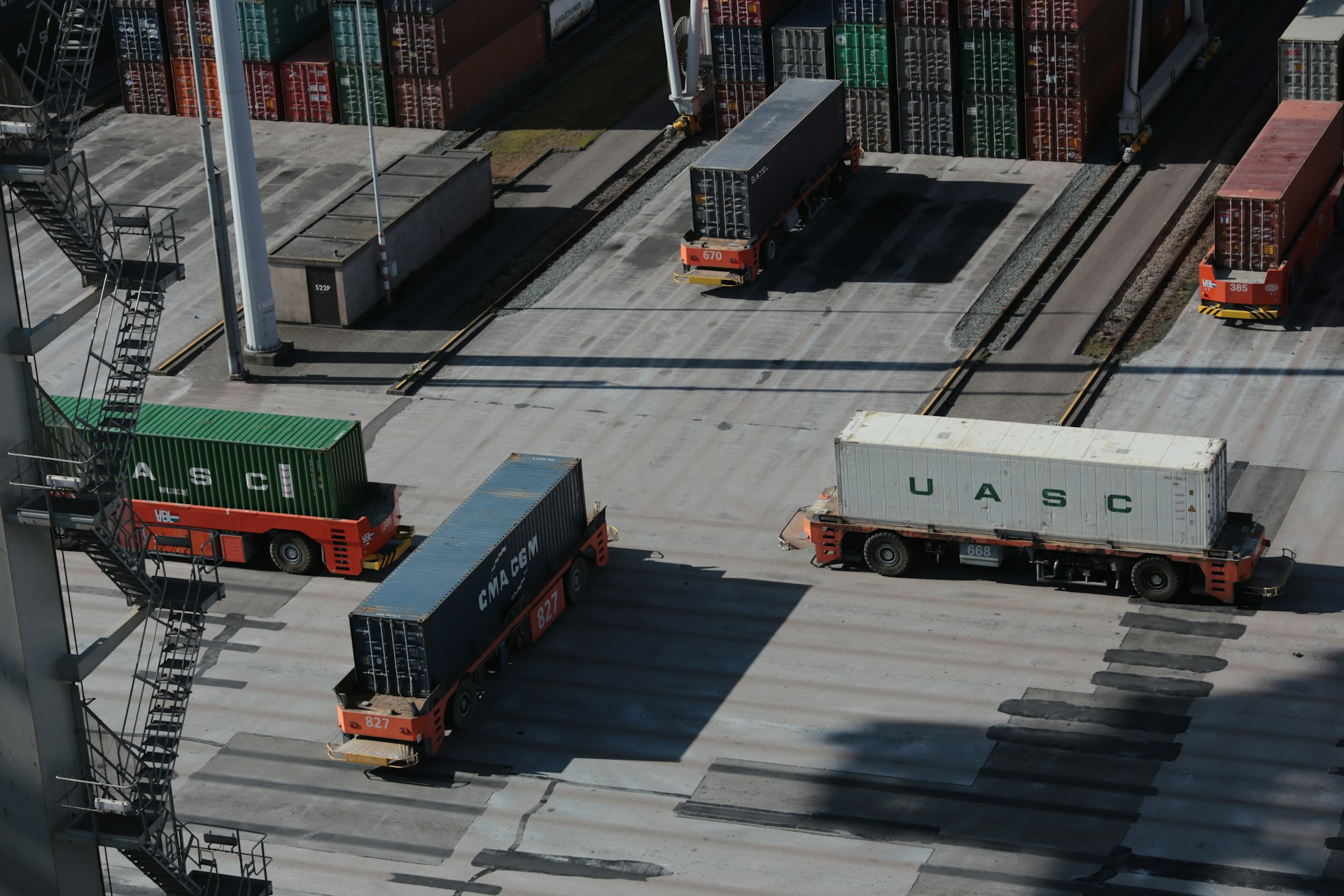
New Year New Trends for Supply Chain Management
The Global Trade Magazine article “New Year New Trends for Supply Chain Management” explains that 2025-26 was a pivotal period for global supply chains, as geopolitical tensions, cyber-attacks, regulatory pressures, labor shortages, and export controls exposed vulnerabilities while accelerating innovation and resilience strategies. In response, companies are redesigning their networks to diversify sourcing (e.g., shifting away from concentrated suppliers), invest in digital tools such as AI, IoT, and digital twins for better visibility and agility, strengthen cybersecurity, and integrate sustainability and compliance into core operations. As a result, supply chains are evolving from cost-centers into strategic value drivers that will shape competitiveness and risk management in 2026 and beyond.

Forecasting for Lunar New Year: The Global Supply Chain Stress Test
The SupplyChainBrain article explains that the annual slowdown caused by the Lunar New Year has become a major, predictable stress test for global supply chains, affecting businesses in Europe and the U.S. as factories across Asia begin winding down weeks before the holiday, tightening production capacity, disrupting freight bookings, and prompting panic ordering that can lead to excess stock and inflated costs. It argues that companies with strong forecasting, planning, visibility, and supplier engagement navigate this period more smoothly, while others scramble and incur higher costs, and notes that even nearshoring doesn’t eliminate exposure because many components still come from Asian suppliers across countries with varying shutdown durations and impacts on industries like electronics, automotive chips, and batteries.
Get more articles like this in your inbox
Sign up for our monthly newsletter
Find more articles
Request a Quote