Every week, Rinchem shares important articles and topics about chemical and gas logistics, industries we operate in, and the general global supply chain. In this week's review we discuss the South Korea semiconductor fund, new semiconductor-related tariffs, and connecting supply chain systems.
Keep reading to see this week's hot topics.
This week's stats
$3.52 billion- the amount of South Korea's semiconductor investment fund Reuters
>90%- the percentage at which China supplies the world's polysilicon Politico

South Korea to launch $3.5 billion chip fund, speed development of semiconductor hubs
South Korean President Lee Jae Myung is accelerating efforts to strengthen the country’s semiconductor industry through large-scale investment, new chip clusters, and government support for domestic suppliers. A major part of the strategy is the development of a semiconductor complex in Gwangju, which will require relocating a military airbase by mid-2028, while the government also plans to streamline permitting and provide the substantial power and water infrastructure needed for new facilities. The initiative is intended to reinforce South Korea’s semiconductor supply chain and competitiveness by supporting chip manufacturers as well as materials, components, equipment, and fabless companies.
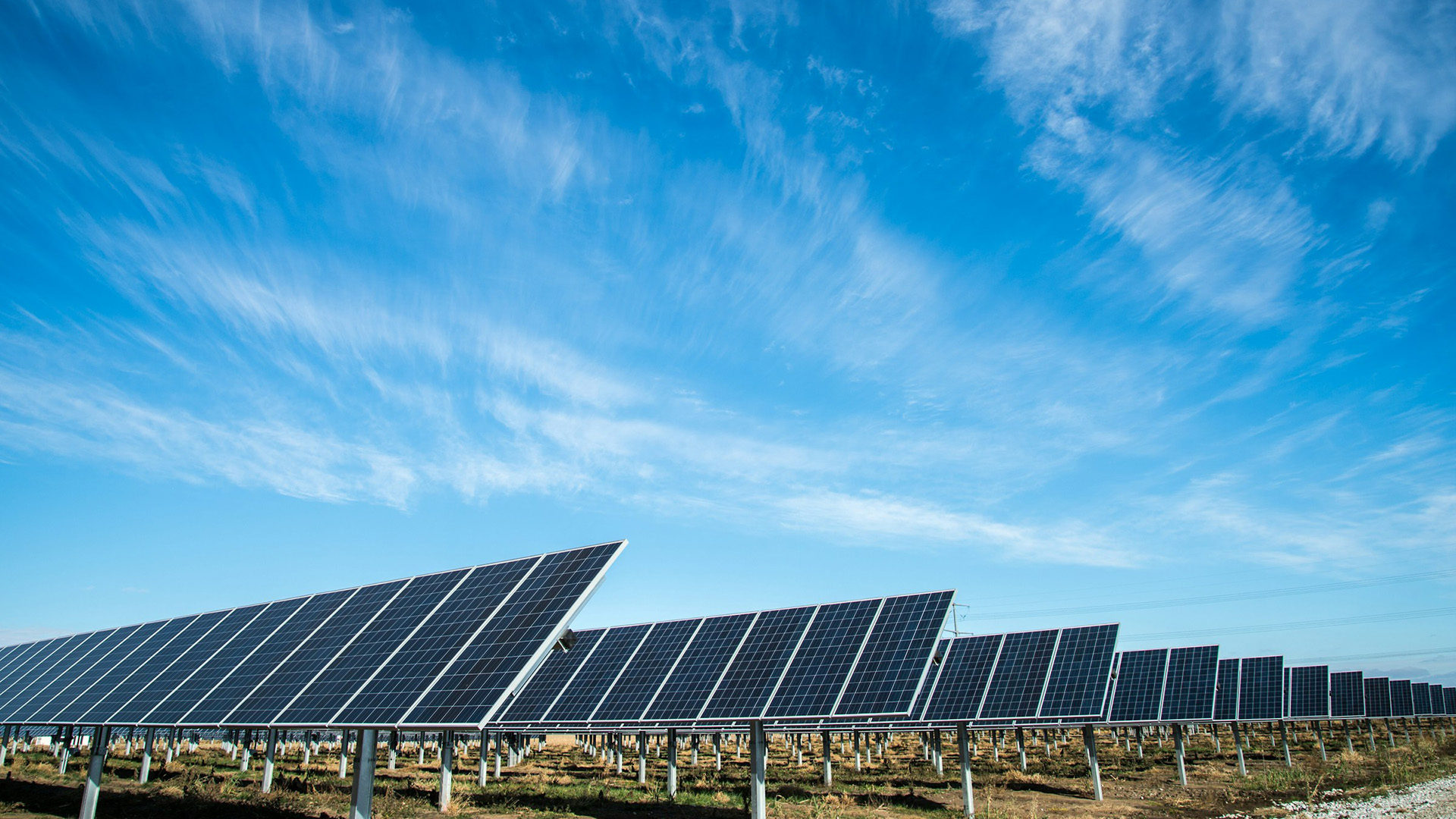
Trump announces tariffs on key component for solar panels and semiconductors
The Trump administration is weighing new measures to support U.S. solar and semiconductor manufacturing by targeting polysilicon, a critical raw material used in both industries and heavily supplied by China. The proposals include tariffs and potentially a minimum price for polysilicon, reflecting broader efforts to counter Chinese producers that have driven down global prices and to encourage more domestic production. Supporters argue the measures could strengthen U.S. supply chains and reduce dependence on China, while industry groups warn that higher input costs could make American solar and semiconductor manufacturers less competitive and potentially raise prices.

The article argues that supply chain resilience increasingly depends on connected systems and real-time data, rather than simply working harder within disconnected processes. Geopolitical tensions, shifting trade policies, transportation disruptions, tighter delivery schedules, and increasing regulatory demands are exposing the weaknesses of fragmented systems that rely on emails, spreadsheets, and separate platforms for sourcing, compliance, logistics, and supplier management. Connected platforms create a shared source of truth, allowing organizations to identify risks earlier, coordinate responses across teams, automate workflows, and adjust sourcing or transportation plans before disruptions become costly. The article emphasizes that visibility alone is not enough—the real advantage comes from turning real-time information into coordinated action that improves resilience, delivery performance, and scalability.
Get more articles like this in your inbox
Sign up for our monthly newsletter
Find more articles
Request a Quote