Every week, Rinchem shares important articles and topics about chemical and gas logistics, industries we operate in, and the general global supply chain. In this week's review we discuss an Arizona-Taiwan partnership, the battery supply chain, and supply chains and climate.
Keep reading to see this week's hot topics.
This week's stats
50- the percentage of lithium needed globally by 2035 that the current mining projects can supply Quartz
20- the percentage of companies that have a climate adaption action plan Risk & Insurance
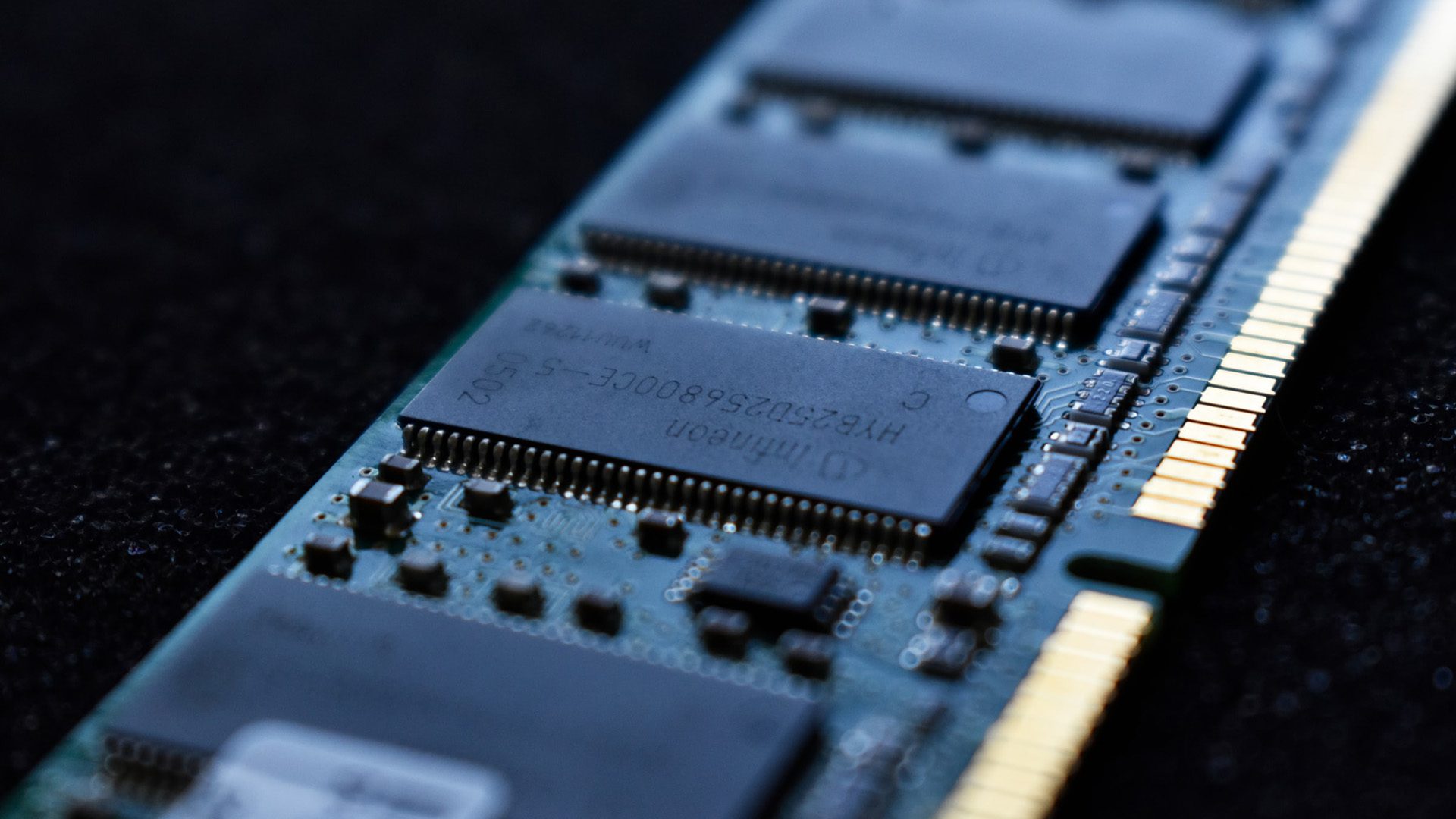
Arizona-Taiwan partnership advances semiconductor talent and innovation
The University of Arizona and Taiwan’s National Yang Ming Chiao Tung University (NYCU) are expanding a strategic partnership aimed at strengthening semiconductor education, research, and workforce development through a new Talent and Innovation Hub. During a two-day summit in Tucson, leaders from both universities, along with regional education and government partners, advanced plans to create a talent pipeline spanning K-12 education through advanced research training. The initiative will focus on preparing students and existing workers for careers in the global semiconductor industry while fostering cross-cultural collaboration between Arizona and Taiwan. The partnership also explores collaboration in related fields such as artificial intelligence, quantum technologies, advanced manufacturing, health sciences, and space technologies, reinforcing Arizona’s role as a growing center for semiconductor innovation and economic development
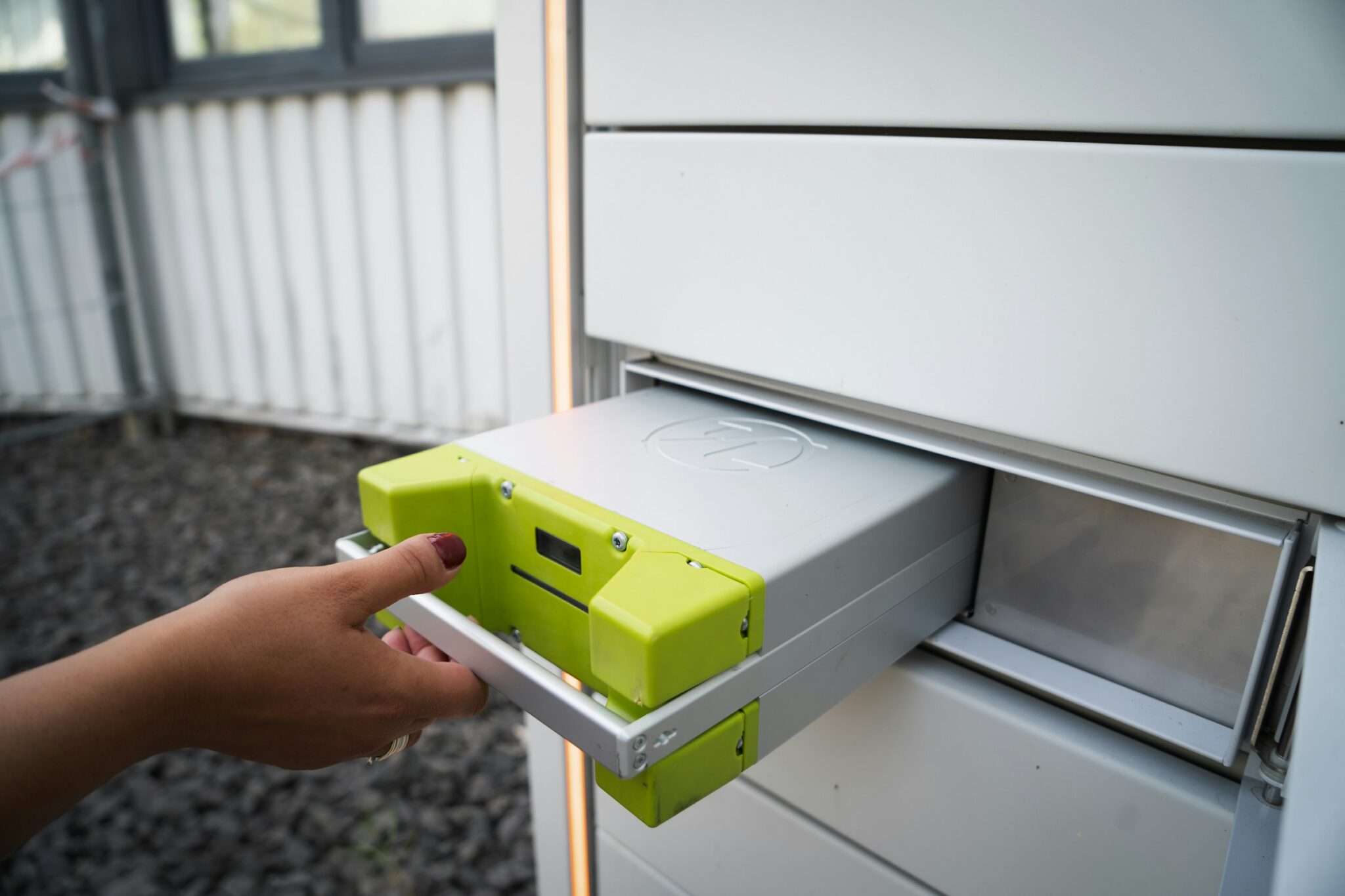
The world's battery boom depends on a supply chain that could snap at any time
The article argues that the rapid growth of battery storage and electric vehicle markets is putting significant pressure on the global lithium supply chain. While battery prices have fallen sharply and demand continues to surge, the mining and refining infrastructure needed to supply critical minerals such as lithium, cobalt, nickel, and graphite cannot expand quickly enough. New lithium mines now take nearly two decades on average to move from discovery to production, while China dominates global refining capacity, creating geopolitical and supply chain risks. Although battery recycling could eventually ease some pressure, it is not expected to provide meaningful supplies at scale until the 2030s, meaning the energy transition will remain heavily dependent on new mining projects and existing refining networks for years to come. [qz.com]
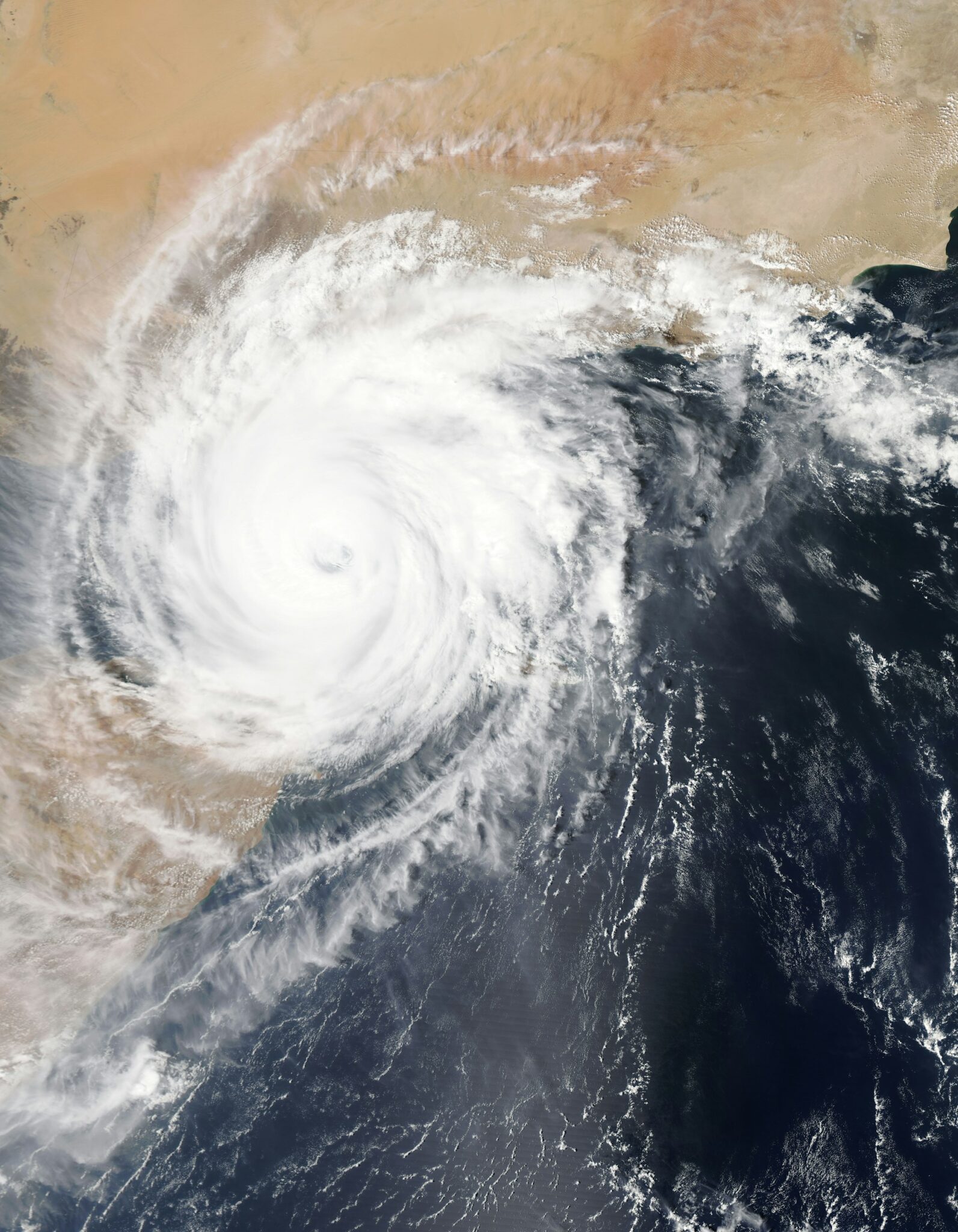
A Deloitte report highlighted in Risk & Insurance finds that many companies underestimate climate-related supply chain risks because their analyses rarely extend beyond direct (Tier 1) suppliers. While severe weather and natural disasters are increasingly affecting business operations, many organizations lack comprehensive climate adaptation strategies and fail to assess risks deeper within their value chains. The report argues that climate disruptions often originate with second-, third-, or fourth-tier suppliers and can trigger cascading effects such as production delays, shortages, higher costs, and reduced service levels. Deloitte recommends a broader resilience framework that includes multi-tier supplier mapping, climate risk modeling, supply chain diversification, financial stress testing, and stronger governance to help organizations better prepare for increasing climate impacts.
Get more articles like this in your inbox
Sign up for our monthly newsletter
Find more articles
Request a Quote