Navigating Foreign-Trade Zone (FTZ) Activation
Introduction
Foreign-Trade Zones (FTZs) are often described as one of the most powerful, but underutilized, tools available to U.S. companies engaged in global trade. On paper, the benefits are compelling: duty deferral, potential duty reduction, streamlined customs processes, and meaningful cash-flow improvements.
In practice, however, activating and operating an FTZ is far more complex than many organizations anticipate. During recent FTZ activations in Chandler and Surprise, Arizona, Rinchem’s teams experienced firsthand how variable interpretations, regulatory nuance, local stakeholder coordination, and operational readiness can dramatically affect both timelines and outcomes.
FTZ activation is not a single approval - it is a complex multi-layered process requiring specialized expertise across compliance, facilities, systems, and ongoing operations.
This white paper covers:
- What is a Foreign-Trade Zone
- Why an FTZ is valuable
- What goes into an FTZ Designation
- The challenges of achieving designation
- The lessons Rinchem has learned in establishing FTZs
We aim to help decision-makers understand the scope, risk, and strategic considerations involved in successfully activating and operating an FTZ.
What is a Foreign-Trade Zone?
Foreign-Trade Zone Definition
A Foreign-Trade Zone is a secure, designated location considered outside U.S. Customs territory for tariff purposes, even though it is physically located within the United States. FTZs are governed by the Foreign-Trade Zones Act of 1934, administered by the Foreign-Trade Zones Board, and overseen operationally by U.S. Customs and Border Protection (CBP).
Why is a Foreign-Trade Zone Valuable for Supply Chains?
- Duty deferral until goods enter U.S. commerce
- Duty elimination on re-exported or scrapped goods
- Inverted tariff benefits for approved manufacturing operations
- Reduced Merchandise Processing Fees (MPFs) through weekly entry filings
- Improved inventory visibility and control
- Exemptions from state and local inventory taxes in many jurisdictions
Understanding the FTZ Framework
Phases of FTZ Designation
Before any activity can occur, two distinct phases must take place. While designation establishes the legal ability to operate as an FTZ, activation is what allows merchandise to actually move under FTZ procedures.
Activation by CBP
Foreign-Trade Zone Stakeholders
FTZs involve multiple parties, each with distinct responsibilities:
FTZ Board
Approves sites, subzones, and production authority
Grantee
Typically, a public entity (city, county, port authority) that sponsors FTZ sites within its region
FTZ Operator
Manages day-to-day zone operations, systems, and bond
Customs and Border Protection (CBP)
Oversees activation and ongoing compliance
FTZ User
Companies that store, manipulate, manufacture, or distribute goods within the zone
The Strategic Role of an Experienced FTZ Operator
Given the complexity involved, many organizations choose to work with a specialized FTZ operator rather than assuming full responsibility internally.
An experienced operator brings:
- Established relationships with CBP, grantees, and brokers
- Proven activation playbooks tailored to local requirements
- Purpose-built systems and trained personnel
- The ability to anticipate issues before they become delays
- Shared accountability for compliance and performance
Much like hazardous materials warehousing or regulated supply chain operations, FTZ success is driven as much by experience as by regulation.
Core Operational Requirements for FTZ Participation
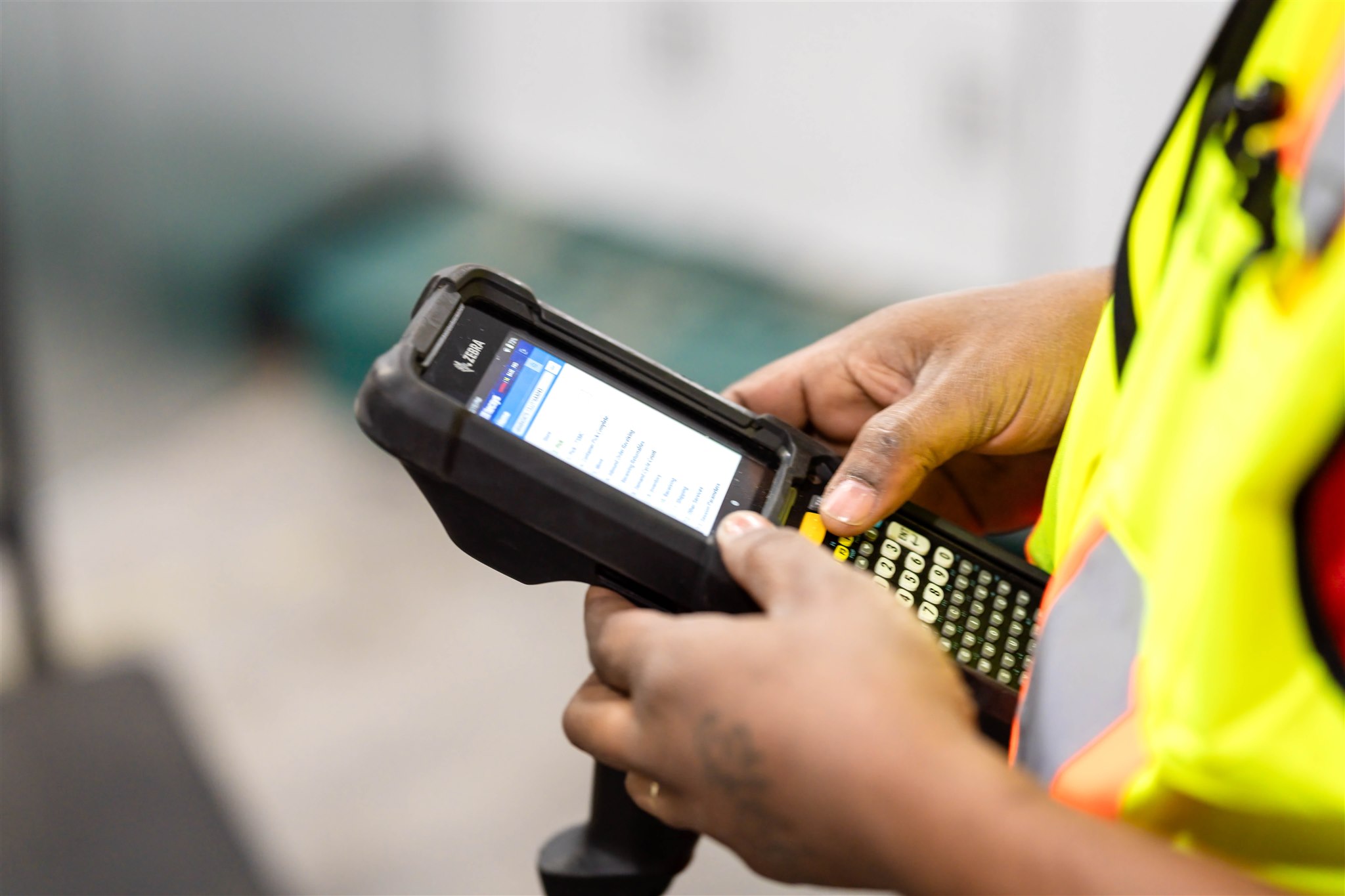
- Robust inventory control and recordkeeping systems (ICRS)
- CBP‑aligned security protocols
- Documented procedures manuals
- Ongoing audits, reporting, and training
- Tight coordination with brokers and Participating Government Agencies (PGAs)
- Successful FTZ programs require long-term operational discipline and cross-functional ownership beyond the initial activation phase
Why FTZ Activation Is Often More Difficult Than Expected
Activation is not Standardized
While FTZ regulations are federal, activation requirements vary by CBP port and local grantee. Site-specific factors (facility layout, security design, inventory systems, product profiles) can all influence CBP’s expectations. What works seamlessly in one region may require significant adjustment in another.Facility Readiness is Scrutinized
FTZs are physical spaces. CBP reviews:
- Secure boundaries and access controls
- Clearly defined activation areas (down to rooms, cages, or even shelves)
- Signage, camera coverage, alarm systems, and audit trails
Facilities not originally designed with FTZ use in mind often require redesigns, documentation updates, or procedural changes to meet activation standards.
Systems Must do More Than Track Inventory
An FTZ-compliant Warehouse Management or Inventory Control System must support:
- FIFO accounting
- Zone status tracking (foreign vs. domestic)
- Audit-ready transaction histories
- Integration with CBP filings and weekly entry processes
Manual workarounds increase risk—and quickly become unsustainable under CBP scrutiny.
Documentation is Detailed, Technical, and Binding
Activation requires submission and approval of:
- Written applications under 19 CFR 146
- Detailed site blueprints
- Zone Procedures Manuals
- Security profiles
- Bond documentation
Once approved, deviations from these documents can trigger findings during audits or reviews.
Rinchem’s Lessons Learned from FTZ Activations

Recent activations reinforced several important takeaways:
- Early assumptions about timelines are often optimistic
- Stakeholder alignment is critical, but requires significant coordination
- Small gaps in documentation or systems can stall activation late in the process
- CBP engagement is ongoing, not one-time
Organizations that approach FTZs as a “compliance checkbox” often underestimate the long-term operational commitment required to sustain the benefits.
Conclusion
Foreign-Trade Zones remain one of the most effective tools available for companies managing global supply chains, but only when implemented correctly.
FTZ activation is not merely an administrative process. It is a convergence of regulatory compliance, facility design, systems integration, and operational discipline. The challenges encountered during recent activations underscore a broader truth: the gap between theoretical FTZ benefits and real-world execution is where most projects succeed or fail.
Whether your organization is exploring FTZ participation for the first time or reevaluating an existing approach, the right expertise can mean the difference between unrealized potential and sustained competitive advantage.
Sources
- Foreign-Trade Zones (FTZ) by International Trade Administration (May 15, 2019)
- Learn About How Foreign Trade Zones in Connecticut Can Benefit Your Business by Connecticut District Export Council (Oct 21, 2021)
- Foreign Trade Zone training from Montana World Trade Center (Mar 12, 2022)
- Foreign Trade Zones Training by Scarbrough Global (Aug 9, 2025)
- Foreign Trade Zone Strategies Webinar | May 2025 by FuzeHub (May 29, 2025)
- FTZs Easy as 1, 2, 3 Video by UPS (Oct 20, 2023)