Every week, Rinchem shares important articles and topics about chemical and gas logistics, industries we operate in, and the general global supply chain. In this week's review we discuss mixed results in 2025, the long-term impact of the Hormuz closure, and supply chain strategy.
Keep reading to see this week's hot topics.
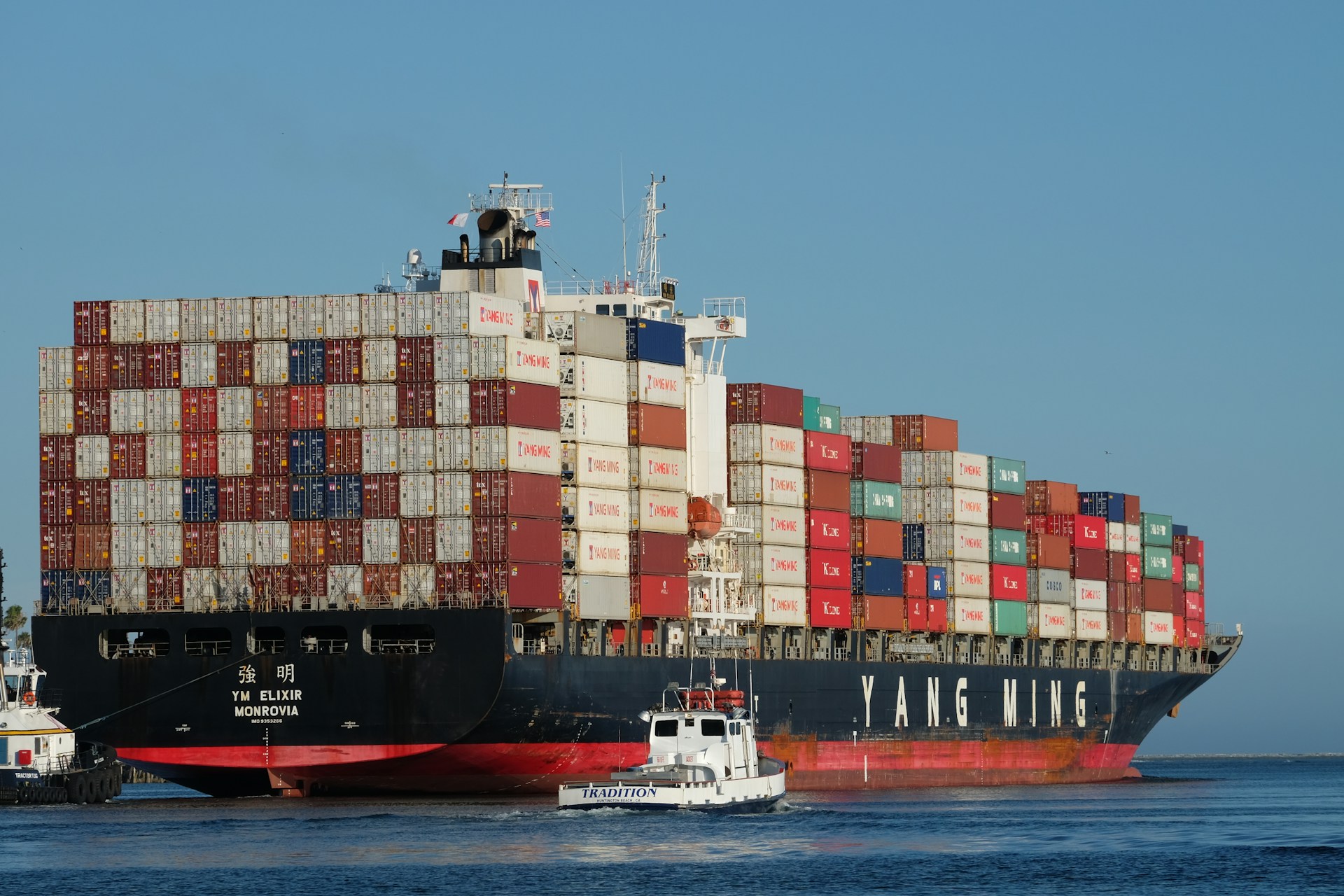
Logistics Sectors Face Mixed Results in 2025
The logistics sector experienced mixed performance in 2025 as soft freight demand, excess trucking capacity, and economic uncertainty weighed on many transportation segments, while brokerage, warehousing, and international forwarding proved more resilient. Consolidation activity also continued to reshape the competitive landscape through mergers and acquisitions. Warehousing remained a relative bright spot as operators expanded capacity and invested in automation and AI to improve efficiency, while dedicated fleet operations generally reduced tractor counts. Air and ocean forwarding providers also posted steadier results despite ongoing global trade volatility.

Hormuz closure triggers ‘havoc’ for project logistics supply chain
S&P Global Market Intelligence reports that a prolonged closure of the Strait of Hormuz would create severe supply chain disruptions far beyond energy markets, delaying project cargo shipments, raising freight and insurance costs, and straining global industrial supply networks. Large-scale infrastructure, mining, and energy projects would be especially vulnerable because they rely on oversized and specialized equipment that cannot be easily rerouted or replaced. The report notes that manufacturers and project developers would likely face longer lead times, higher procurement costs, and schedule delays as carriers avoid the region, vessels queue outside the chokepoint, and alternative routes add time and complexity. Industries dependent on imported machinery, chemicals, and construction materials would feel the impact most acutely.

The best supply chain strategy isn’t a supply chain strategy
The Fast Company article argues that the strongest supply chain strategy is not a standalone operations plan, but one fully integrated with overall business strategy. Rather than treating supply chains as back-office cost centers, companies should align sourcing, manufacturing, inventory, and logistics decisions with growth goals, customer expectations, innovation priorities, and risk tolerance. The piece emphasizes that resilience, speed, and adaptability now matter as much as efficiency, especially amid geopolitical instability, labor shortages, and shifting demand. Organizations that connect executive strategy with supply chain execution are better positioned to respond quickly to disruptions while creating competitive advantage.
Get more articles like this in your inbox
Sign up for our monthly newsletter
Find more articles
Request a Quote