Every week, Rinchem shares important articles and topics about chemical and gas logistics, industries we operate in, and the general global supply chain. In this week's review we discuss AI creating a new bottleneck, U.S. solar supply chain reconfiguring, and asset-based carriers.
Keep reading to see this week's hot topics.
This week's stats
30%- the reduction of forecasting error by using AI-driven demand sensing, but shifts bottleneck downstream. Supply Chain Brain
65 GW- U.S. solar module manufacturing capacity ING
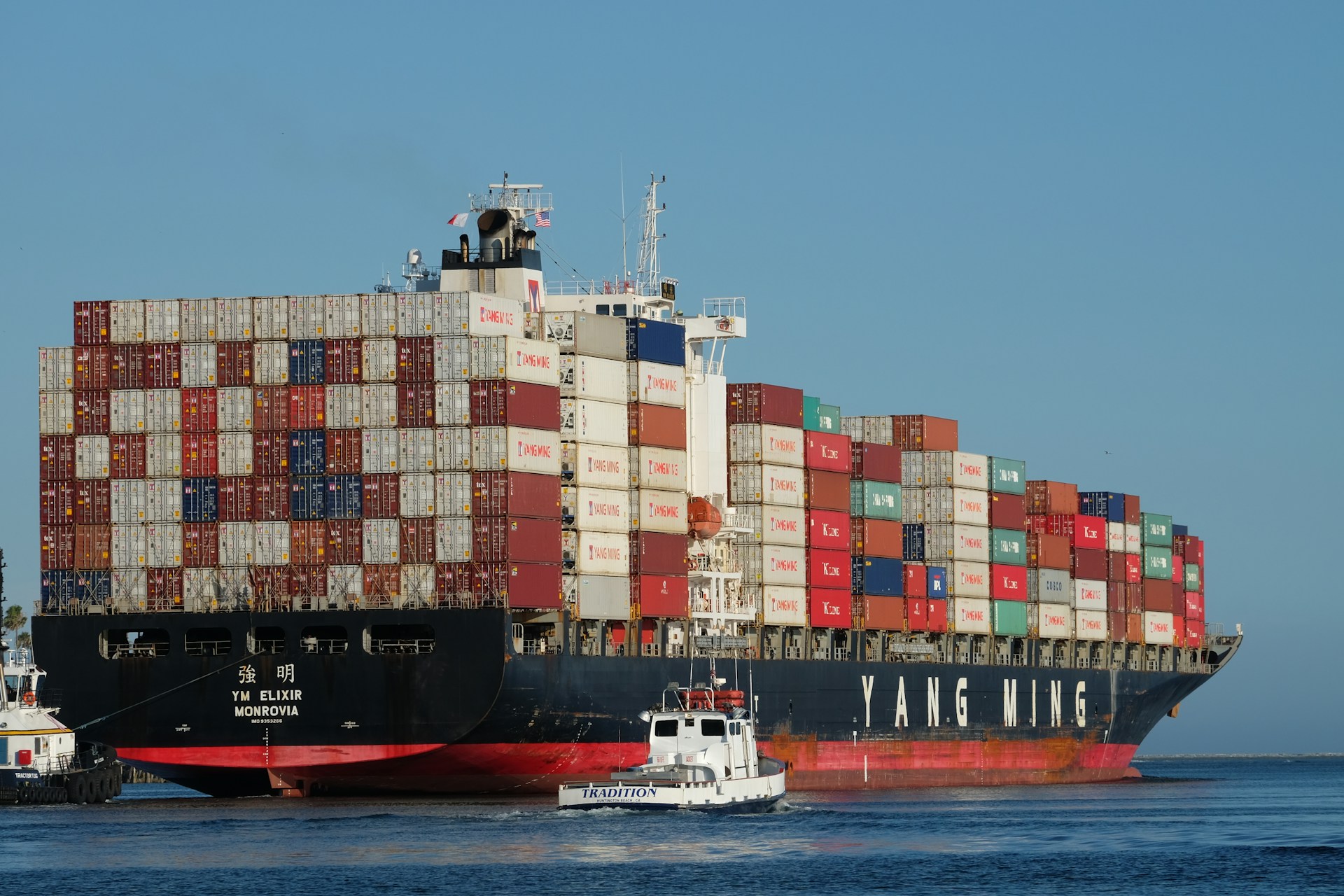
AI Is Creating a New Kind of Bottleneck in Supply Chains
AI is improving individual supply chain functions—like forecasting, routing, and warehouse operations—but the article argues it’s simultaneously creating a new kind of bottleneck at the network level. As each function becomes faster and more optimized in isolation, it pushes strain onto adjacent parts of the system, causing constraints to “migrate” rather than disappear. For example, better demand forecasting can overwhelm suppliers with more frequent order changes, and dynamic routing can disrupt scheduling stability for downstream operations. The core issue is that supply chains are interconnected systems, and AI is accelerating each node at different speeds, exposing gaps in coordination, data sharing, and decision timing. As a result, the real competitive advantage is shifting from optimizing individual functions to building strong coordination layers—including data interoperability, governance, and aligned decision cycles—so the entire network can operate cohesively.
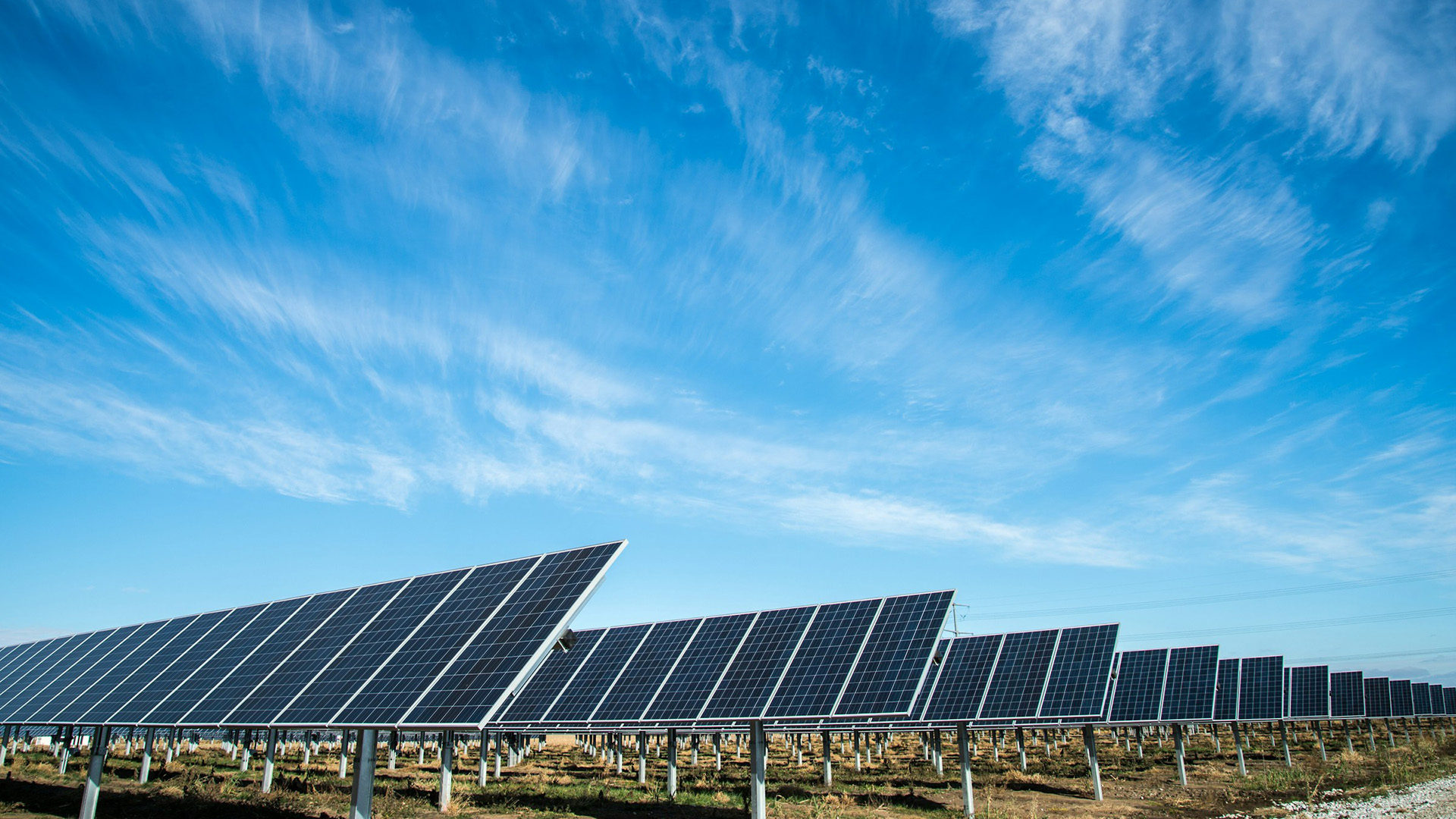
US solar set to see a significant supply chain reconfiguration
The article explains that U.S. solar supply chains are entering a major reconfiguration driven by tariffs, stricter “foreign entities of concern” (FEOC) rules, and ongoing geopolitical tension with China. While domestic manufacturing capacity—especially for solar modules—has expanded तेजी, this does not equate to true self-sufficiency because the U.S. still relies heavily on imported upstream components like cells, wafers, and ingots. As developers adjust, they face rising costs, compliance complexity, and pressure to prove supply chain origins, pushing them to diversify sourcing and build more resilient, policy-compliant networks. In the near term, this creates bottlenecks and pricing pressure, but over time it could lead to a more vertically integrated domestic industry—provided sustained incentives and stronger trade partnerships support the transition.
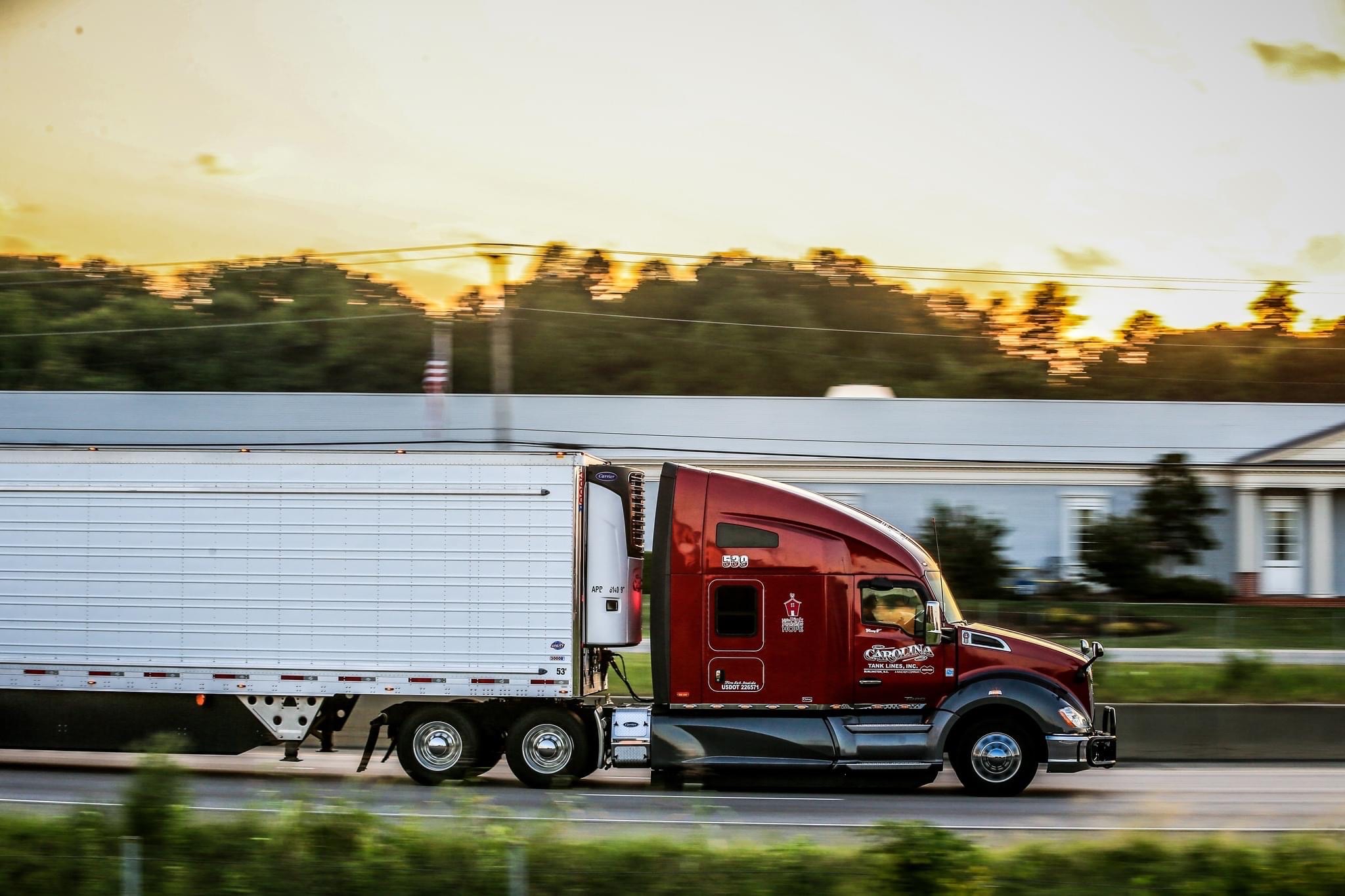
Shippers focus on asset-based carriers, seek reliability
The article explains that shippers are shifting their transportation strategies away from cost optimization and toward reliability and guaranteed capacity, increasingly favoring asset-based carriers that own their trucks and equipment. This change is driven by tightening market conditions, including regulatory enforcement (such as stricter driver requirements) and reduced trucking capacity after a prolonged freight downturn. As a result, shippers are adjusting procurement behavior—launching off-cycle and “mini-bids,” starting peak season planning earlier than usual, and even limiting broker participation in favor of more dependable carriers. At the same time, rising rates and carrier pushback on previously agreed pricing are reinforcing this shift, signaling a market where service consistency and secured capacity now outweigh price as the primary decision factor.
Get more articles like this in your inbox
Sign up for our monthly newsletter
Find more articles
Request a Quote