Every week, Rinchem shares important articles and topics about chemical and gas logistics, industries we operate in, and the general global supply chain. In this week's review we cover lessons from a Panama Canal crossing, a stressed supply chain, and new legislation to combat supply chain theft.
Keep reading to see this week's hot topics.
This week's stats
40%- Percentage of U.S. container traffic moving through the Panama Canal Fast Company
3- the consecutive months the Federal Reserve Back of New York's Global Supply Chain Pressure Index has now risen Insurance Journal
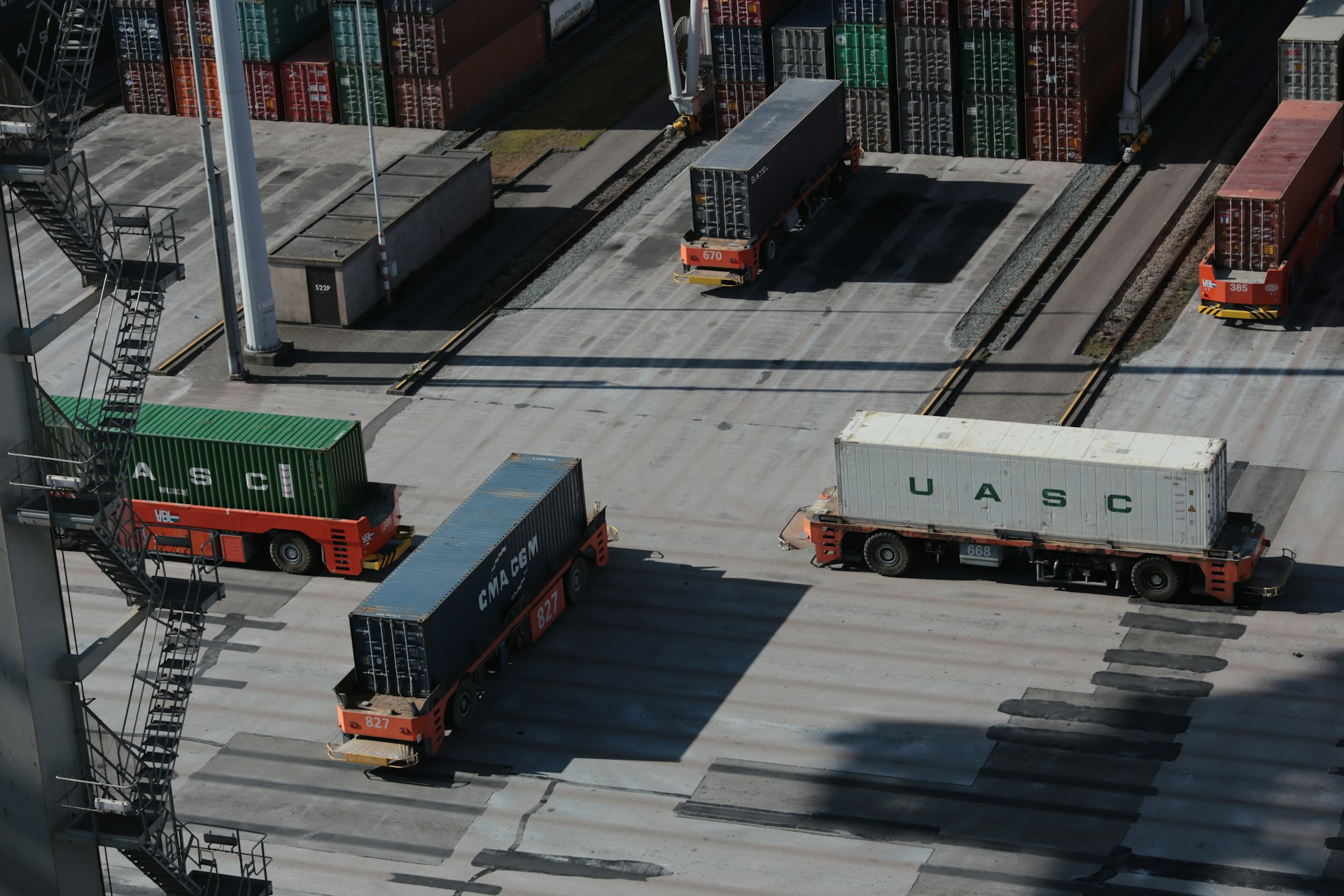
What crossing the Panama Canal taught me about the supply chain
The article from Fast Company uses the experience of transiting the Panama Canal to illustrate how fragile and interconnected global supply chains have become. It highlights the canal’s role as a critical chokepoint for global trade, where climate-driven droughts, congestion, and geopolitical instability can ripple across industries ranging from manufacturing to retail. The piece emphasizes that supply chains are no longer just about efficiency and cost savings—they now require resilience, flexibility, and contingency planning as companies navigate longer transit times, rising shipping costs, and increasingly unpredictable disruptions.
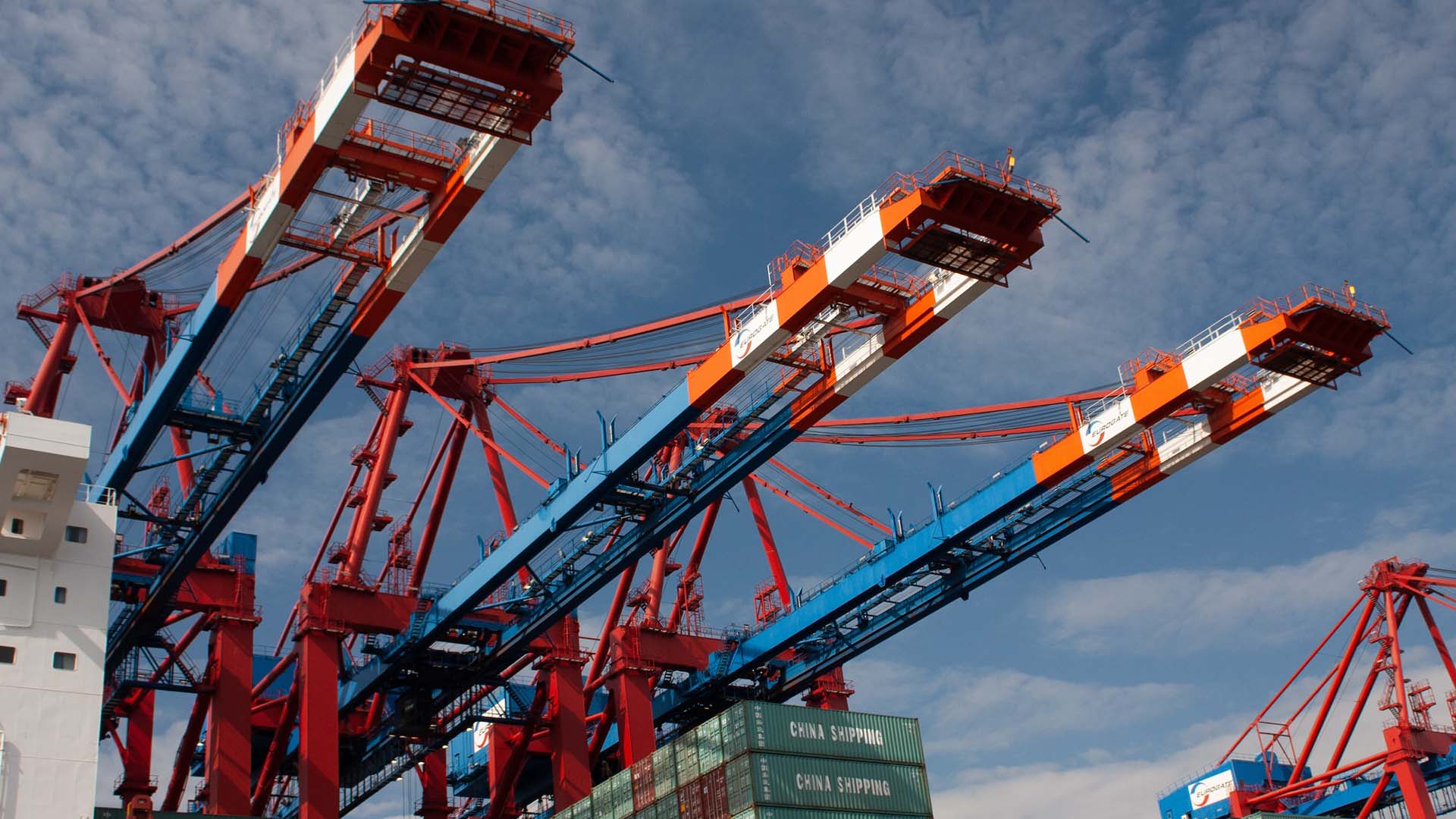
Supply-Chain Stress That Peaked in COVID Heads Higher Again
Rising energy costs and geopolitical instability tied to the Iran conflict are once again putting significant strain on global supply chains, reviving disruptions reminiscent of the COVID-era logistics crisis. The article explains that key indicators tracking shipping congestion, delivery delays, transportation costs, and inventory pressures are climbing sharply as companies reroute cargo away from the Red Sea, absorb higher fuel expenses, and stockpile goods in anticipation of further disruptions. While conditions remain below the extreme levels seen during the pandemic, economists and logistics experts warn that mounting supply-chain stress could fuel renewed inflation, weaken global trade growth, and increase costs across manufacturing, warehousing, and transportation sectors worldwide.

U.S. House Passes Legislation to Combat Supply Chain Theft
The article explains that the U.S. House of Representatives has passed bipartisan legislation aimed at combating the sharp rise in organized cargo theft and retail crime across American supply chains. The Combating Organized Retail Crime Act (CORCA) would strengthen federal enforcement tools, establish a national coordination center within Homeland Security Investigations, and improve collaboration among federal, state, and local agencies to target increasingly sophisticated criminal networks. Industry groups representing railroads, trucking, retail, and logistics companies argue that organized theft is driving up transportation and consumer costs while threatening workers and disrupting freight movement nationwide. The bill now moves to the Senate as lawmakers and industry leaders push for stronger protections against cargo theft and freight fraud.
Get more articles like this in your inbox
Sign up for our monthly newsletter
Find more articles
Request a Quote