Every week, Rinchem shares important articles and topics about chemical and gas logistics, industries we operate in, and the general global supply chain. In this week's review freight prices are up, capacity down, Port of Savannah is growing, and AI is creating bottlenecks.
Keep reading to see this week's hot topics.
This week's stats
39.2- Transportation Capacity in April, marking the tightest freight market in nearly four years. FreightWaves
12.5 million TEUs- the expected handling capacity of Port of Savannah after a $5 billion infrastructure investment FreightWaves
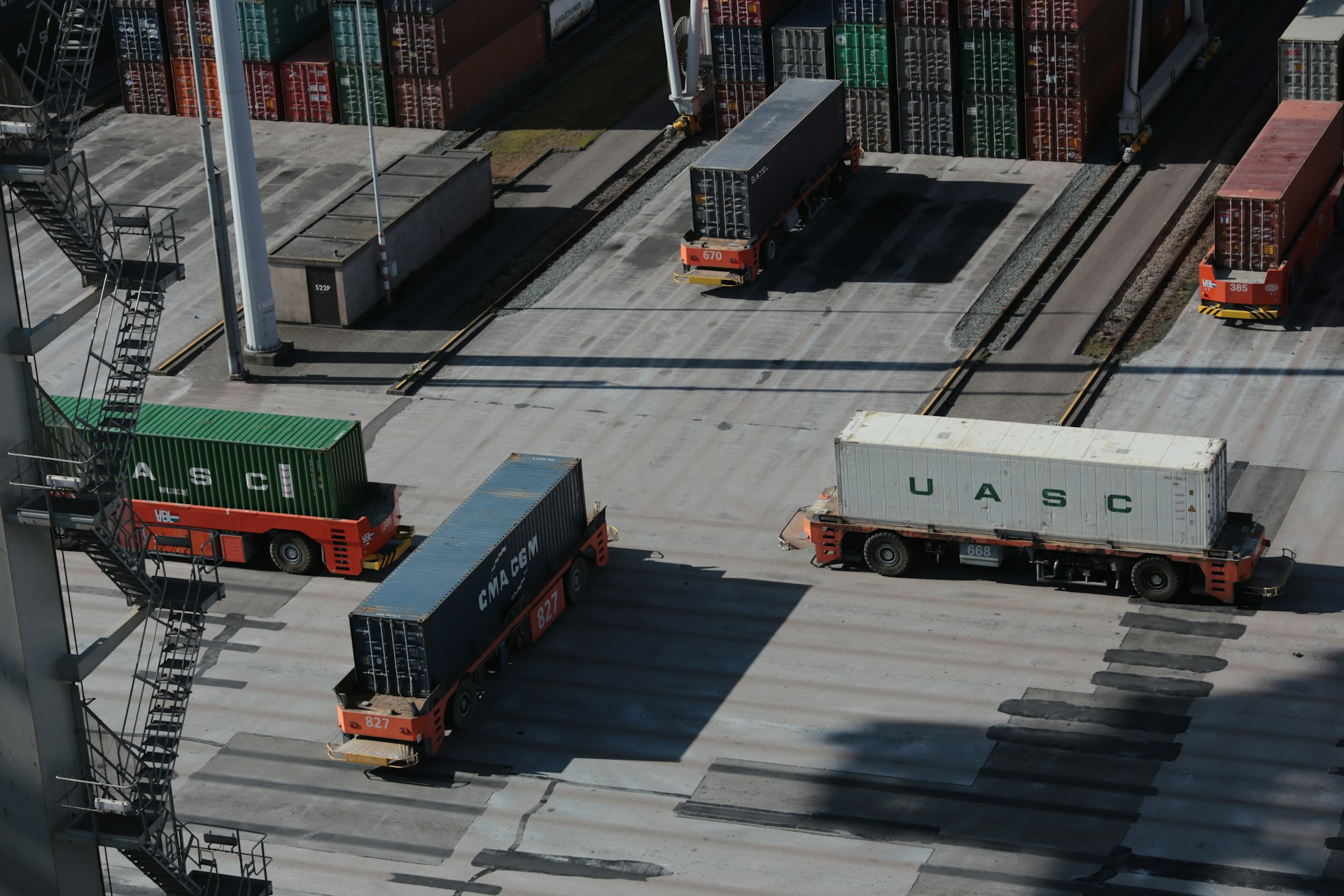
Freight capacity plummets, prices skyrocket in April
A sharp contraction in freight capacity drove transportation prices significantly higher in April, according to the latest Logistics Managers’ Index highlighted by FreightWaves. Supply chain managers reported that available trucking capacity continued to tighten as smaller carriers exited the market and demand remained resilient, forcing shippers to compete for limited space. The article notes that rising diesel costs and ongoing geopolitical disruptions added further pressure to already strained freight networks, creating conditions similar to previous freight market crunches. Industry experts cited increasing tender rejections, higher spot market rates and deteriorating routing guide compliance as signs that carriers are regaining pricing power after a prolonged freight downturn.
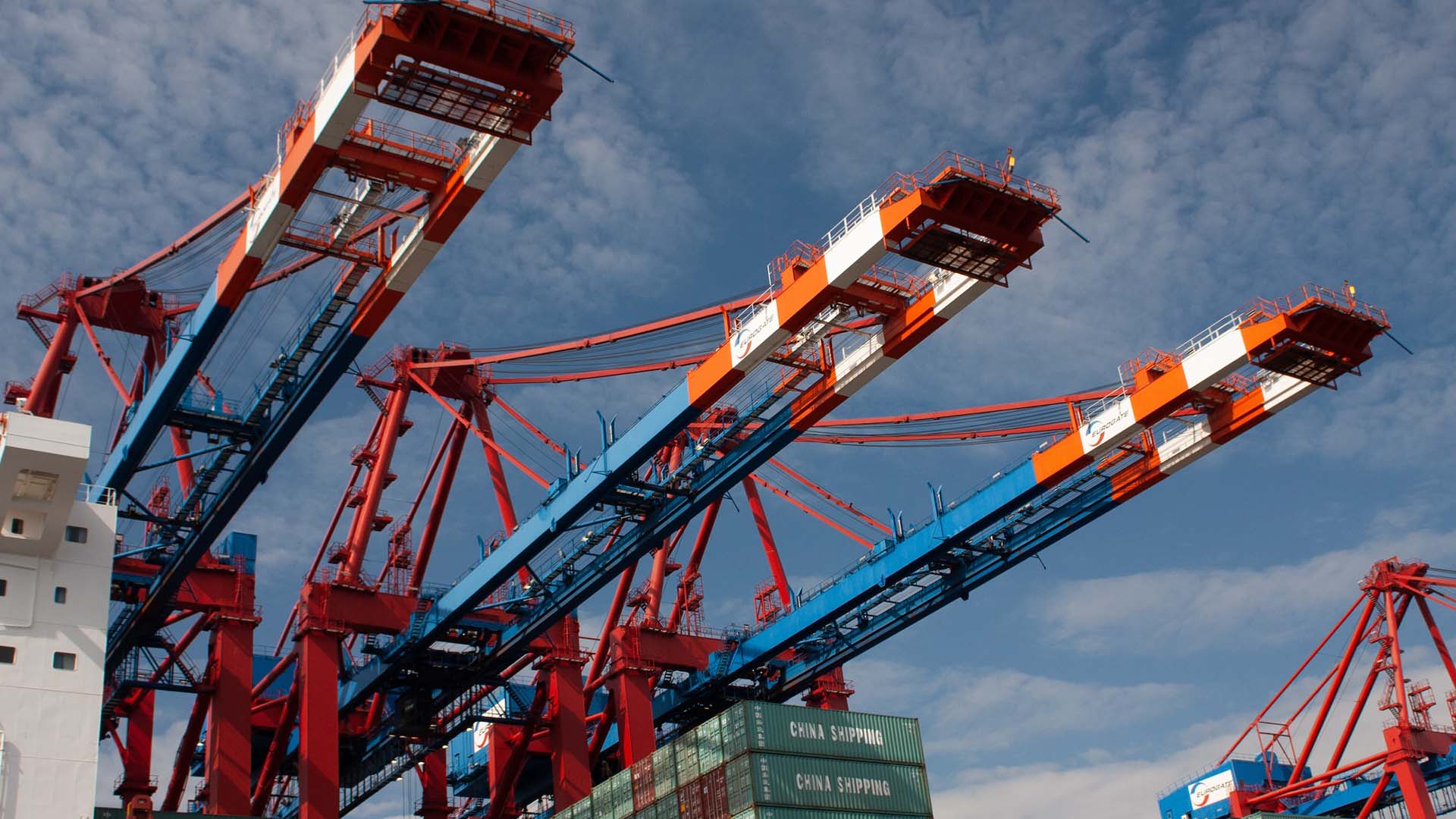
Georgia Ports’ $5B bet: Rewriting supply chain logistics
FreightWaves reports that Georgia is making a multibillion-dollar investment to transform the Port of Savannah and surrounding logistics infrastructure into one of the most influential supply chain hubs in North America. The article explains that the Georgia Ports Authority’s long-term expansion strategy is designed to handle surging container volumes, attract more manufacturing and distribution operations to the Southeast and reduce congestion and transit uncertainty for importers. By expanding terminal capacity, rail connectivity and inland distribution networks, Georgia is positioning itself as a lower-cost and more predictable alternative to traditional West Coast gateways. The piece also highlights how shifting trade routes, reshoring activity and population growth across the Southeast are accelerating demand for port-adjacent warehousing and transportation capacity.

The Decision Bottleneck Holding Back Supply Chain AI
The article from Logistics Viewpoints argues that the biggest obstacle to successful supply chain AI adoption is no longer data visibility or model capability, but “decision latency” — the slow, fragmented process of turning insights into coordinated operational action. The piece explains that while AI can identify disruptions, forecast risks and recommend responses, many organizations still rely on disconnected systems, manual approvals and cross-functional handoffs that delay execution. As a result, supply chains often fail to respond before customer service, inventory or transportation issues escalate. The article emphasizes that the next generation of supply chain AI will center on “systems of decision” that connect ERP, TMS, WMS and planning platforms into unified workflows capable of accelerating real-time operational decisions across sourcing, inventory, logistics and customer commitments.
Get more articles like this in your inbox
Sign up for our monthly newsletter
Find more articles
Request a Quote