Every week, Rinchem shares important articles and topics about chemical and gas logistics, industries we operate in, and the general global supply chain. In this week's review we discuss why supply chain matters in health care, a chip crisis for telecom, and Godzilla vs. life science supply chains.
Keep reading to see this week's hot topics.
This week's stats
70%- estimated percentage that AI data centers will consume of the global high-end memory production in 2026 Sat News
Why Reliable Healthcare Supply Chains Matter More After the Pandemic
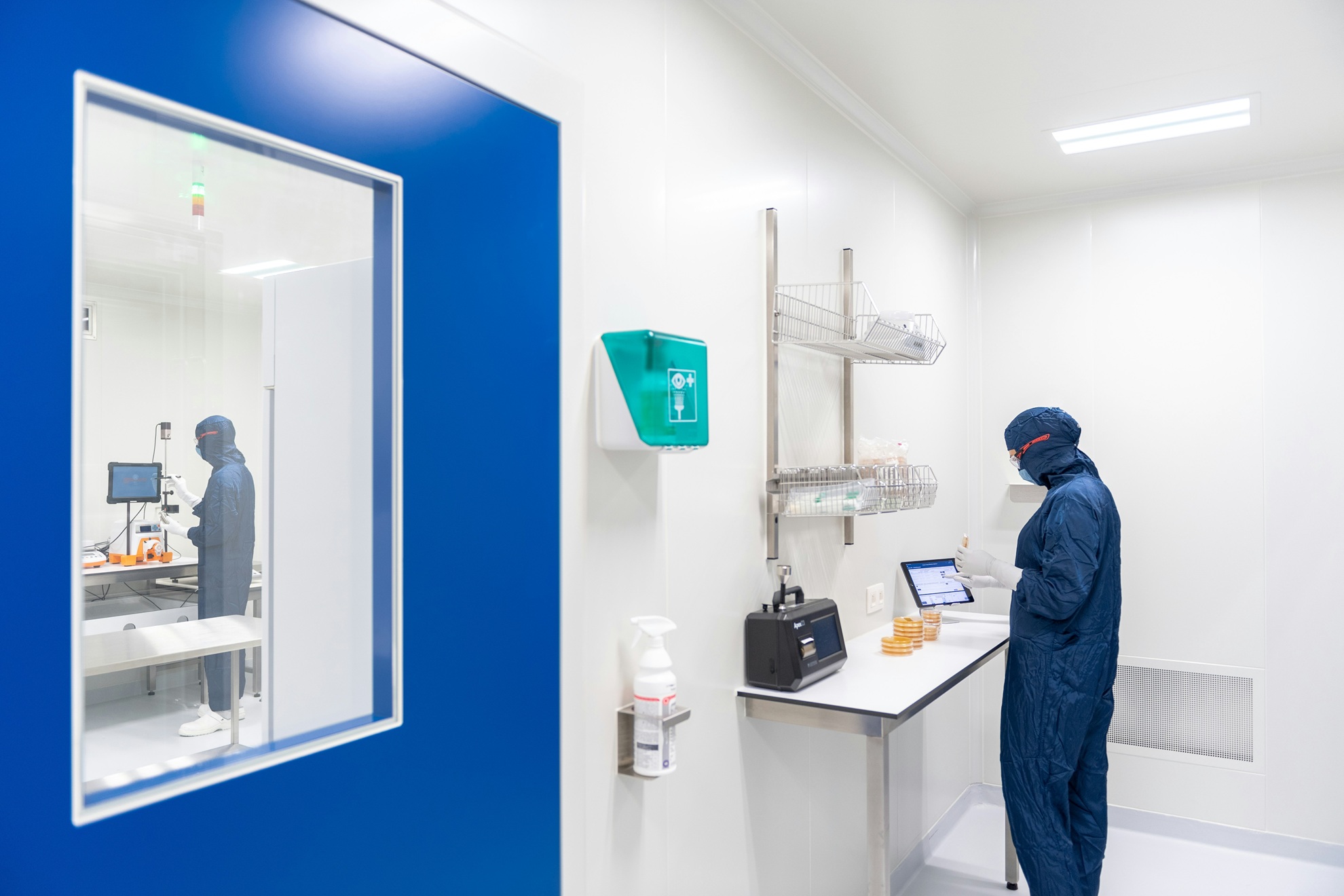
The article argues that the COVID-19 pandemic fundamentally changed how healthcare organizations view supply chains, elevating them from a back-office function to a critical component of patient care and public health. It highlights how shortages of personal protective equipment, medications, and medical devices exposed vulnerabilities in global sourcing and just-in-time inventory strategies. In response, healthcare providers are investing in more resilient supply chains through supplier diversification, increased inventory visibility, domestic manufacturing, digital technologies, and stronger collaboration between manufacturers, distributors, and healthcare systems. The article emphasizes that reliable supply chains are essential not only for emergency preparedness but also for ensuring consistent, high-quality patient care in everyday operations.
Global Memory Migration to AI Data Centers Extends Telecom Supply Chain Crisis
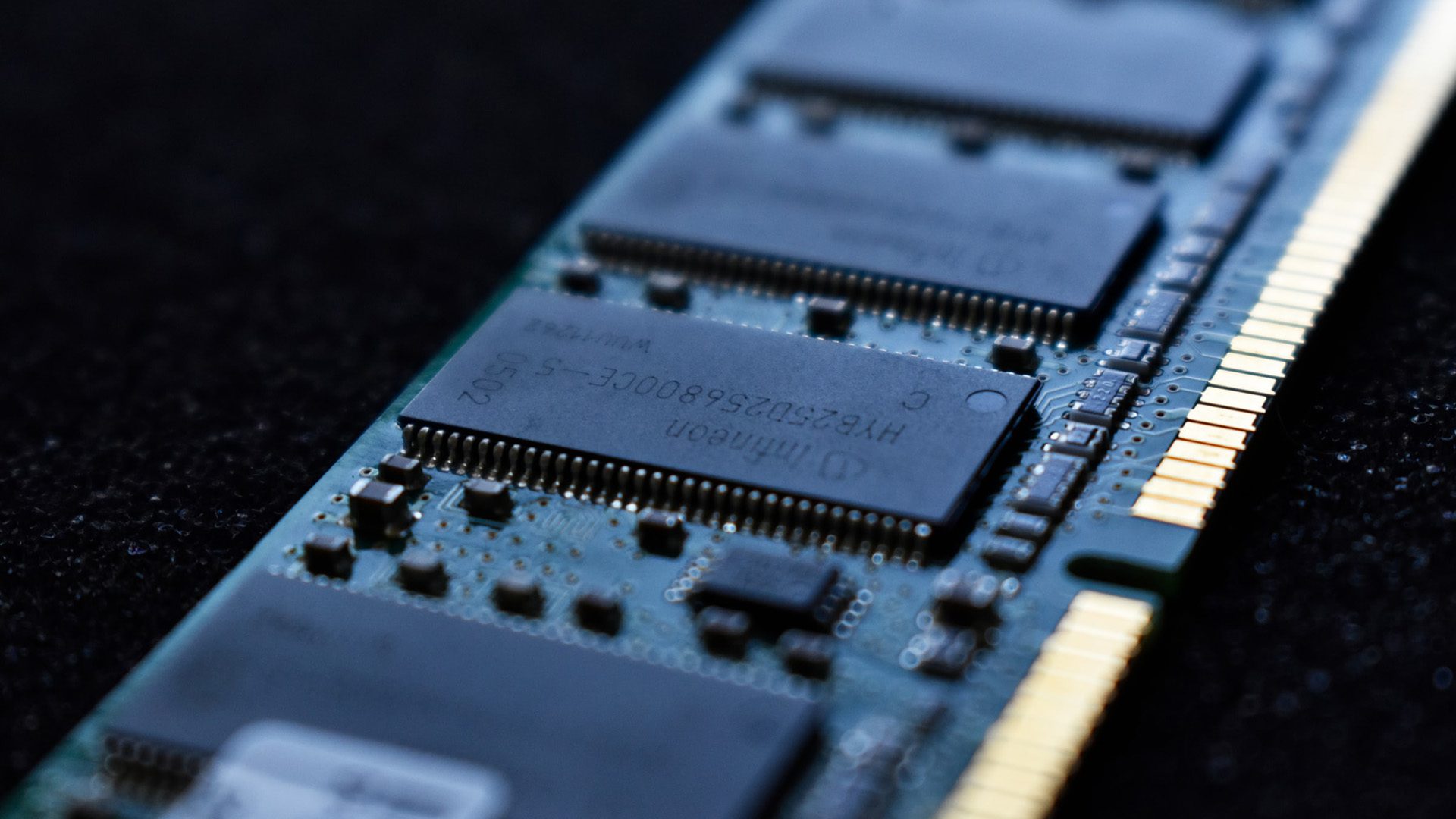
The article explores how the rapid expansion of AI data centers is reshaping the global semiconductor industry, with manufacturers shifting memory production toward high-bandwidth memory (HBM) used in AI infrastructure. This reallocation is creating shortages of conventional DRAM and NAND memory needed by the telecommunications sector and other industries, extending supply chain disruptions beyond consumer electronics. Industry groups warn that without increased investment in memory manufacturing capacity, telecom equipment makers could face rising costs, longer lead times, and delays in deploying next-generation network infrastructure, underscoring the growing competition between AI and critical communications technologies for semiconductor resources.

Godzilla Vs. The Life Sciences Supply Chain
The article uses the metaphor of Godzilla to illustrate the growing number of disruptive forces threatening life sciences supply chains, including tariffs, geopolitical tensions, regulatory changes, and shifting global manufacturing strategies. It argues that while companies cannot prevent these external shocks, they can minimize their impact by building more resilient and agile supply chains. The author recommends diversifying suppliers, improving end-to-end visibility, strengthening collaboration across partners, and adopting digital technologies such as AI and predictive analytics to better anticipate disruptions. Ultimately, the article emphasizes that resilience—not efficiency alone—has become the defining competitive advantage for pharmaceutical and biotech supply chains.
Get more articles like this in your inbox
Sign up for our monthly newsletter
Find more articles
Request a Quote