Every week, Rinchem shares important articles and topics about chemical and gas logistics, industries we operate in, and the general global supply chain. In this week's review we discuss drug manufacturing in the U.S., drug manufacturing in space, and cargo digitization.
Keep reading to see this week's hot topics.
This week's stats
44%- of shortage drugs rely on a single country for at least one key starting material Pharma Voice
80%- Percentage of world's ports still relying on legacy or manual systems The Maritime Executive
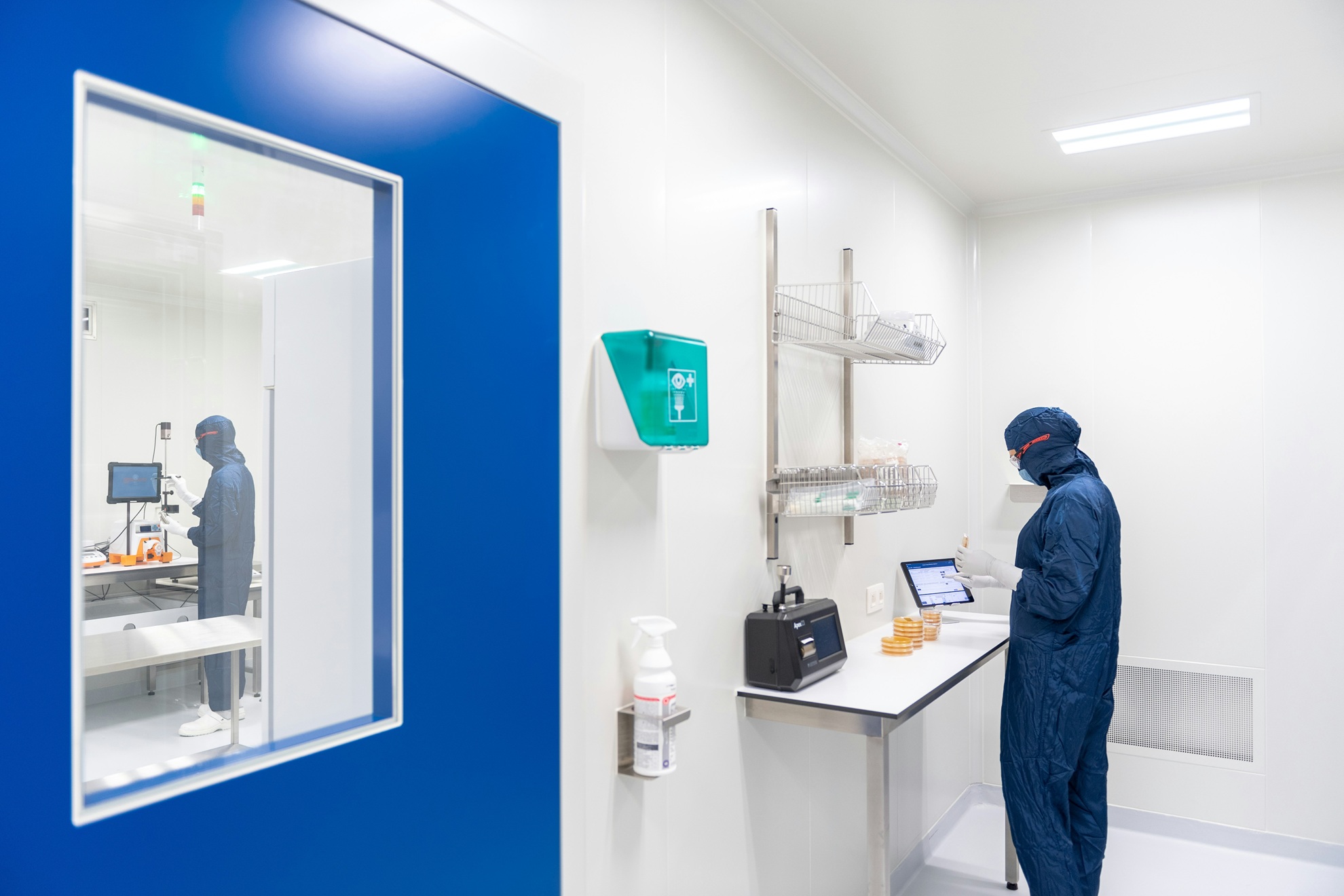
Does US manufacturing give drugmakers a speed edge?
The article argues that the push to manufacture pharmaceuticals in the U.S. offers clear advantages—greater supply chain control, reduced exposure to geopolitical disruptions, and closer proximity to regulators and end markets—but it also comes with major tradeoffs. Building domestic capacity can improve resilience and help companies respond to tariff pressure and national security concerns, yet it is expensive, time-consuming, and constrained by labor shortages, higher operating costs, and continued dependence on globally sourced ingredients and materials. In practice, the piece suggests that “made in America” pharma is less a simple reshoring story and more a balancing act between resilience, cost, speed, and access to specialized global supply networks.

The space race is coming for pharma: Why drug development is heading to lower Earth orbit
The article explores how a new wave of space companies is trying to turn low-Earth orbit into a drug-development lab, betting that microgravity can produce drug crystals and formulations that are difficult or impossible to create on Earth. Companies like Varda and Redwire are pitching space-based R&D as a way for pharmaceutical manufacturers to improve drug stability, bioavailability, and formulation performance, while SpaceX’s lower launch costs are making these experiments more commercially viable. The piece frames the opportunity as an emerging intersection of biotech and aerospace: if microgravity consistently delivers better crystal growth and other formulation advantages, orbital manufacturing could evolve from a niche experiment into a specialized tool for high-value pharma development—though it still faces cost, scale, and proof-of-commercial-value hurdles.
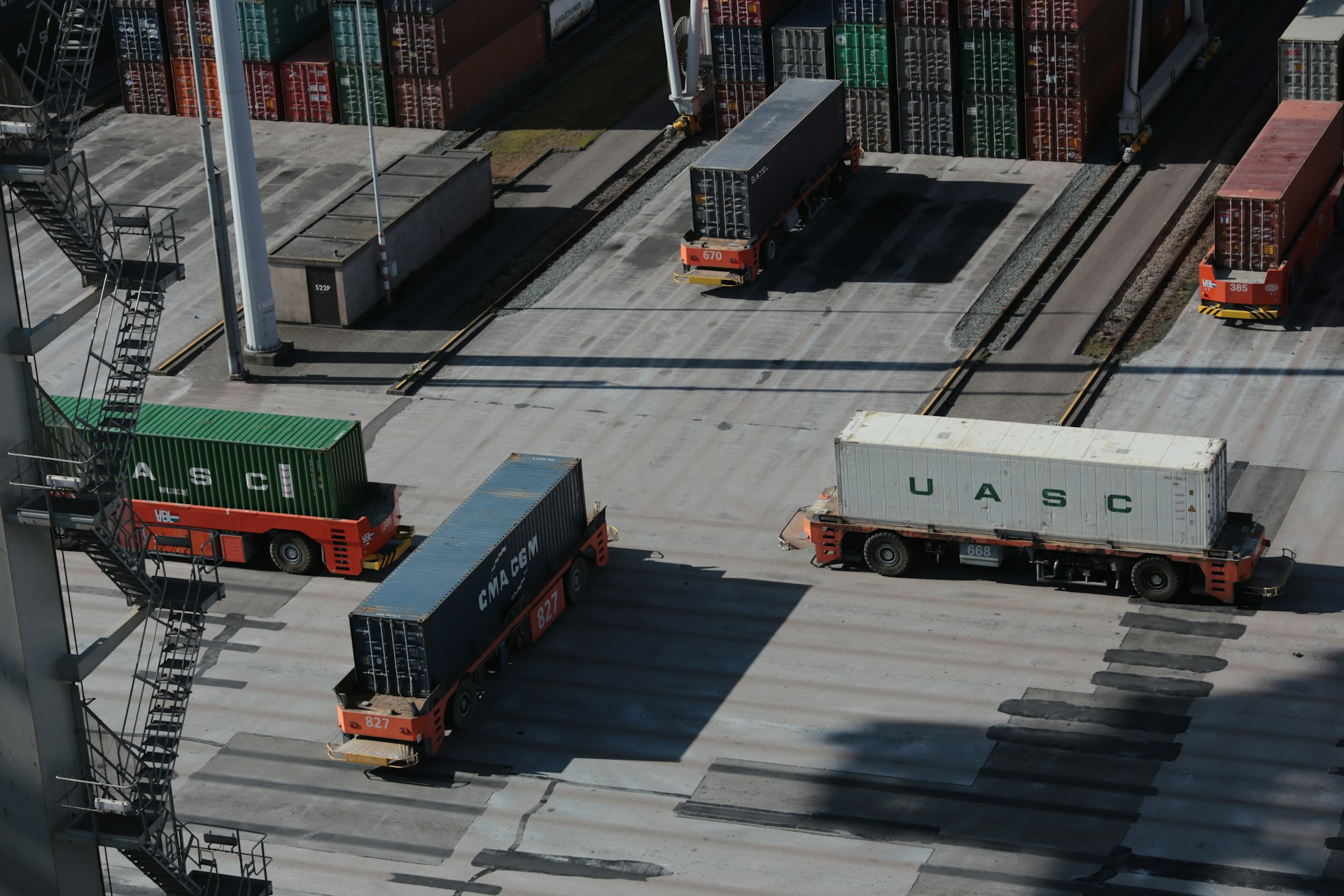
Why Cargo, Not Ships, Will Decide the Future of Logistics Digitalization
The article argues that the next real leap in logistics digitalization will be driven less by shipowners optimizing vessel operations and more by cargo owners demanding end-to-end visibility, coordination, and decision support around the cargo itself. Rather than treating ships as the center of the digital universe, the piece says logistics value increasingly sits in tools that help shippers track cargo across handoffs, manage disruptions, and integrate data across carriers, ports, terminals, and inland transport. In that model, the winners in maritime logistics will be the companies that connect vessel data to broader supply chain workflows—making cargo status, exceptions, and planning information actionable for customers—rather than those focused only on digitizing shipboard operations.
Get more articles like this in your inbox
Sign up for our monthly newsletter
Find more articles
Request a Quote