Every week, Rinchem shares important articles and topics about chemical and gas logistics, industries we operate in, and the general global supply chain. In this week's review we discuss Super El Niño, a supply chain roundtable, and supplier concentration.
Keep reading to see this week's hot topics.
This week's stats
$84 trillion- the estimated economic damage from El Niño cycles during the 21st century Forbes
16,000+- the number of Tier 2 and Tier 3 suppliers a global semiconductor manufacturer uses- according to a supply chain analysis E+E Leader

What Super El Niño Means For Business Supply Chains And The Economy
In What Super El Niño Means For Business Supply Chains And The Economy, Chloe Demrovsky explains that forecasters see a greater than 90% chance of a very strong El Niño event in 2026, potentially becoming the strongest since records began in 1950. The article argues that a “Super El Niño” could amplify existing geopolitical and economic pressures by disrupting energy markets, reducing agricultural yields, increasing food prices, stressing global shipping routes, and creating challenges for critical industries such as semiconductors and AI infrastructure. Particular concerns include drought impacts on the Panama Canal, higher fuel and transportation costs, water shortages affecting chip production, and supply chain disruptions across mining, manufacturing, and logistics. The author advises businesses to strengthen resilience through energy diversification, inventory buffers, regionalized supply chains, improved risk management, and investments in predictive technologies to better withstand climate-driven disruptions.
Supply Chain Roundtable: Academics, Agility and Accountability
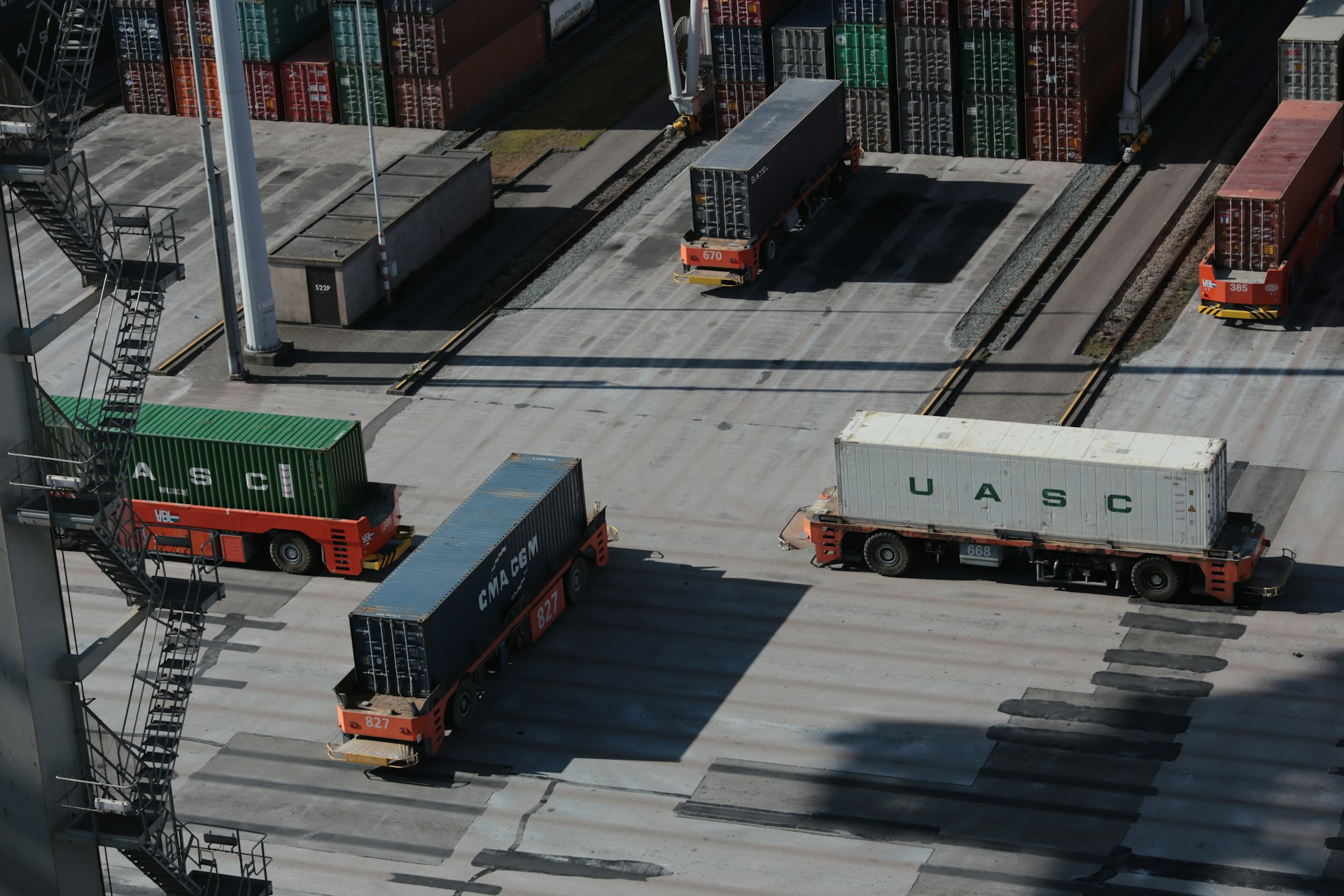
In Supply Chain Roundtable: Academics, Agility and Accountability, experts convened by the Institute for Supply Management (ISM) discuss how ongoing geopolitical and economic uncertainty is reshaping procurement and supply chain decision-making. The discussion emphasizes the need for organizations to balance agility with accountability as they respond to disruptions, rising risks, cost pressures, and rapidly evolving technologies. The roundtable highlights that supply chain leaders must strengthen resilience, improve risk management practices, and make more strategic decisions in an environment where uncertainty has become a constant feature of business operations.
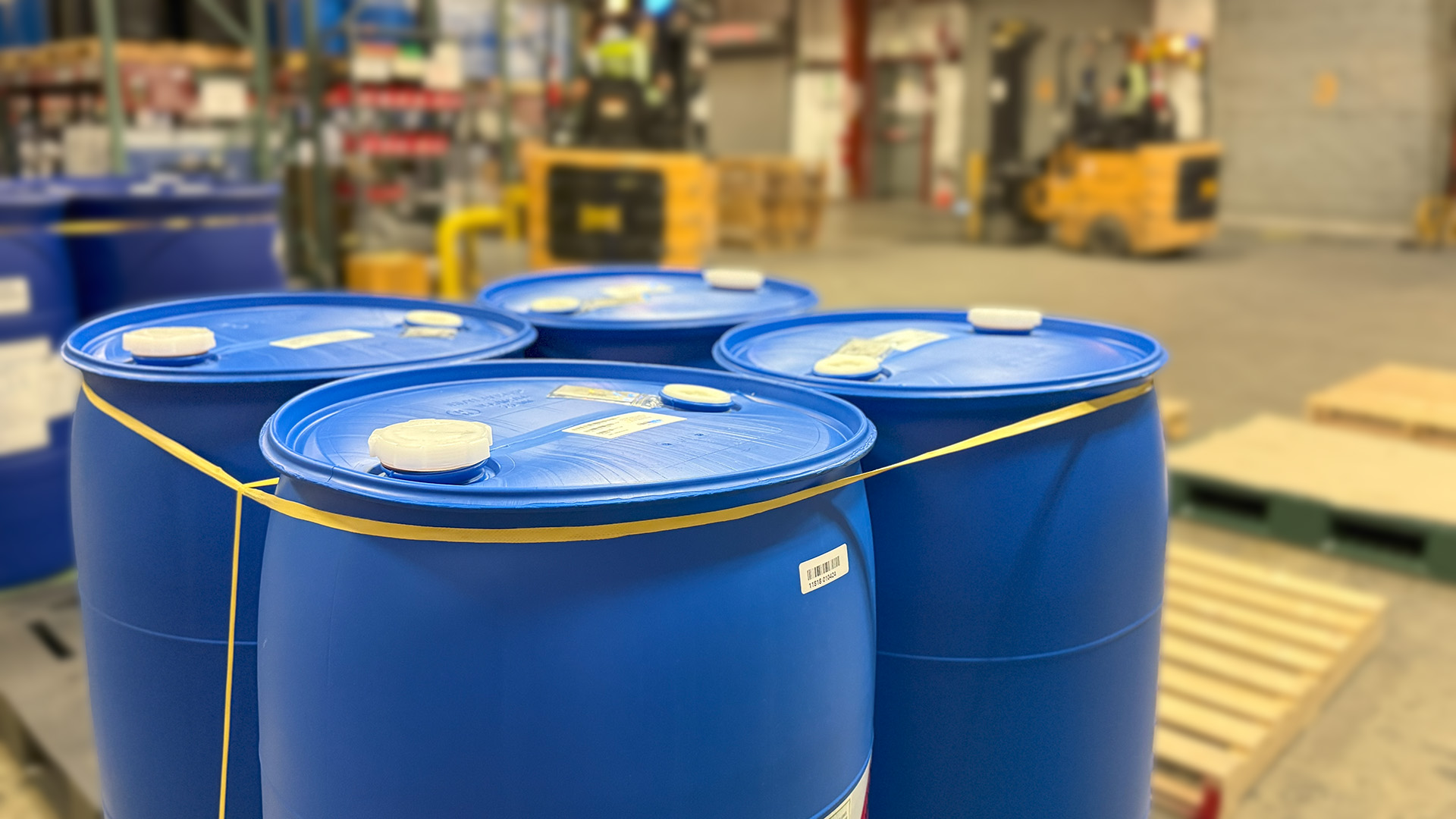
In Supplier Concentration Is Becoming an Insurance Risk, Environment+Energy Leader explains how insurers are increasingly evaluating not only a company's direct suppliers but also the hidden dependencies deeper within supply chains. The article argues that businesses may appear diversified on paper yet remain vulnerable if multiple suppliers ultimately rely on the same upstream manufacturer, facility, or geographic region. As supply chain mapping tools become more sophisticated, insurers are using this visibility to assess business interruption and contingent business interruption risks, particularly as supplier insolvencies, geopolitical tensions, and trade disruptions rise. The article emphasizes that supplier concentration is no longer just a procurement concern but a financial and insurance issue that requires collaboration across procurement, operations, risk management, and finance teams to better understand exposure and improve resilience.
Get more articles like this in your inbox
Sign up for our monthly newsletter
Find more articles
Request a Quote