Every week, Rinchem shares important articles and topics about chemical and gas logistics, industries we operate in, and the general global supply chain. In this week's review we discuss the war's impact on the global supply chain- including pharma, and how tariffs continue to cause uncertainty and raise costs.
Keep reading to see this week's hot topics.
This week's stats
20%- percent of global air cargo exposed to disruptions from Middle East conflict American Medical Journal
1.5%- projected growth for 2026 of global chemical production Powder & Bulk Solids

The Middle East conflict: pharma’s supply chain stress test
The article explains that the Middle East conflict is acting as a “stress test” for the pharmaceutical supply chain by exposing its heavy reliance on regional transport hubs and fragile logistics networks. Key air and sea corridors—especially Gulf airport hubs and the Strait of Hormuz—are being disrupted, forcing drugmakers to reroute shipments of temperature-sensitive medicines like biologics and cancer treatments. While global supply has not yet seen widespread shortages, the conflict is increasing costs, delaying deliveries, and raising risks around cold-chain integrity and component availability (such as packaging materials). The situation highlights structural vulnerabilities—limited geographic diversification, dependence on complex transit routes, and low visibility across supply chains—prompting calls for better contingency planning, alternative routing strategies, and long-term investment in more resilient and transparent global pharmaceutical networks.
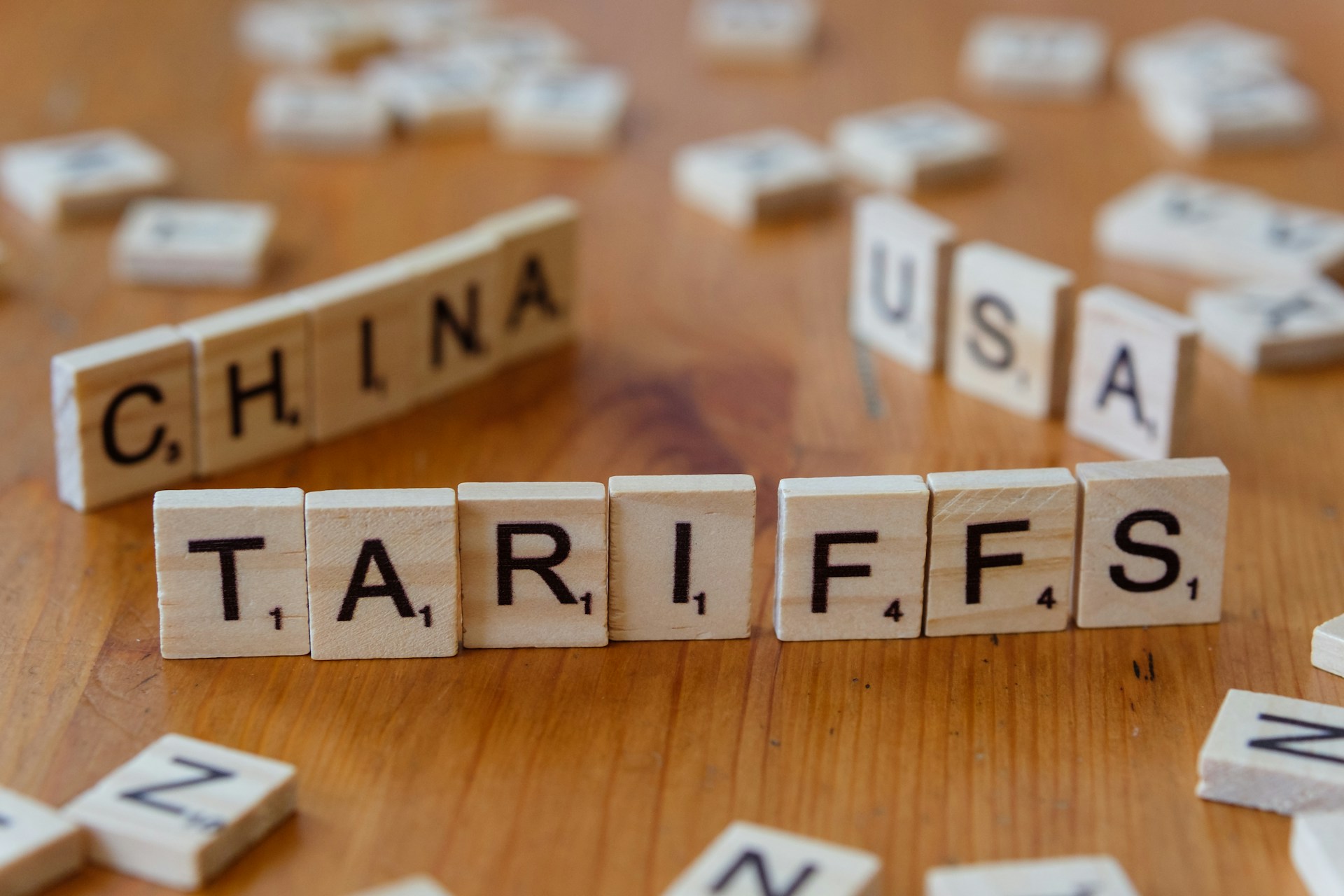
Tariffs Continue to Cause Uncertainty, Raise Costs for Manufacturers
The article explains that ongoing and frequently changing U.S. tariff policies are creating persistent uncertainty for manufacturers, driving up costs and disrupting supply chains. Companies are facing longer lead times, fluctuating pricing, and difficulty planning investments due to constant policy shifts and legal challenges around tariffs. In response, many manufacturers are rethinking their strategies—stockpiling inventory, shifting sourcing, and accelerating trends like onshoring and AI adoption to improve agility. However, these adjustments come with trade-offs, including financial strain and inconsistent material availability, particularly in highly interconnected sectors like chemicals, which are especially vulnerable to tariff impacts. Overall, tariffs are no longer a short-term disruption but a structural force reshaping how manufacturers manage costs, sourcing, and supply chain resilience.

Will Trump Resolve Tensions for Iranian Supply Chains?
The article explains that recent de-escalation signals from U.S. President Donald Trump—specifically a temporary pause on planned strikes against Iranian energy infrastructure and renewed diplomatic talks—have provided short-term relief to global supply chains that were under severe strain from the conflict. The potential reopening of the Strait of Hormuz is critical, as ongoing disruptions have forced manufacturers and logistics providers to reroute shipments at significantly higher costs and with longer transit times. While markets have reacted positively to the pause in hostilities, analysts remain skeptical about a lasting resolution, noting that uncertainty persists due to shifting political objectives and Iran’s continued control over key trade routes. As a result, supply chains remain vulnerable, with the situation highlighting how geopolitical instability can quickly ripple across global manufacturing and logistics networks.
Get more articles like this in your inbox
Sign up for our monthly newsletter
Find more articles
Request a Quote