Every week, Rinchem shares important articles and topics about chemical and gas logistics, industries we operate in, and the general global supply chain. In this week's review we discuss the rise of South Korean exports, cargo theft, and European recalibration.
Keep reading to see this week's hot topics.
This week's stats
$6.6 billion- annual cargo theft in the U.S. trucking industry Fortune
41%- percentage of supply chain leaders that rank geopolitical instability as their top trade challenge in 2026 Logistics Management

South Korea's Exports Surpass $80 Billion on Semiconductor Surge
The article reports on South Korea’s financial markets and macroeconomic environment amid ongoing global uncertainty, highlighting strong movements in equities and currency markets alongside external pressures such as geopolitical tensions and trade policies. It notes that market volatility remains elevated due to factors like tariffs and global conflicts, which are influencing investor sentiment, exchange rates, and capital flows. Despite these challenges, South Korea’s markets have shown resilience, supported by institutional activity and policy responses, though uncertainty around external shocks continues to pose risks to sustained stability.
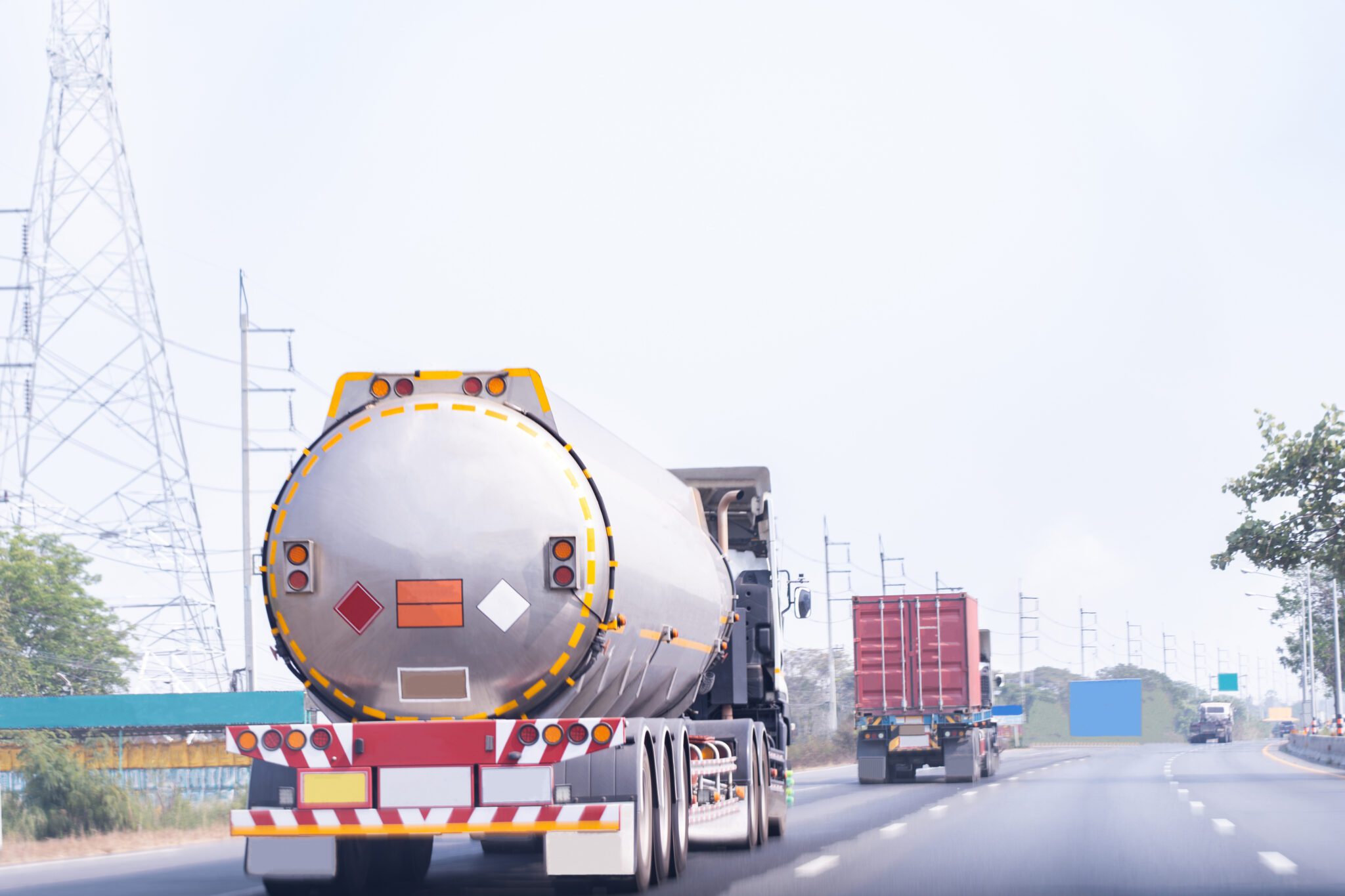
Cargo theft costs U.S. trucking $18 million a day and is ‘unlike anything our industry has faced before,’ logistics exec warns
The article highlights a sharp rise in cargo theft across the U.S. trucking and logistics industry, driven by increasingly sophisticated and organized criminal networks that exploit both physical and digital vulnerabilities in supply chains. Thieves are no longer relying on simple hijackings but are using tactics like impersonating freight brokers, creating fake documents, and leveraging cyber tools to reroute shipments undetected. These thefts target a wide range of goods—from high-value electronics to everyday consumer products—creating ripple effects across manufacturing, retail, and consumer pricing. As a result, companies are investing heavily in security technologies and training, but industry leaders warn that broader coordination and policy action are needed to effectively combat the growing threat.

Global Logistics: Europe recalibrates in a volatile trade landscape
The article explains how Europe’s logistics sector is adjusting (“recalibrating”) to an increasingly volatile global trade environment shaped by tariff uncertainty, shifting trade alliances, and new bilateral agreements. Rather than returning to pre-disruption stability, companies are redesigning supply chains to prioritize resilience, flexibility, and regionalization. This includes diversifying sourcing, rethinking transportation routes, and adapting to evolving regulatory frameworks and cost structures. Europe is also benefiting from some transatlantic trade opportunities, but ongoing geopolitical tensions and policy changes continue to create complexity, forcing logistics providers to balance efficiency with risk mitigation in a less predictable global system.
Get more articles like this in your inbox
Sign up for our monthly newsletter
Find more articles
Request a Quote